

FSC
Certified
Food
Grade
ISO
Quality
0%

What makes the 2026 top Wooden Salt And Pepper Mills? The answer is not simply attractive grain or a polished finish. Buyers increasingly expect controlled grinding, durable mechanisms, responsible materials, and comfortable everyday handling. Grand View Research and Future Market Insights both identify steady growth in the broader salt and pepper mill category, supported by home cooking, premium kitchenware, and gift purchases. However, neither report isolates wooden mills perfectly. That limitation deserves attention.

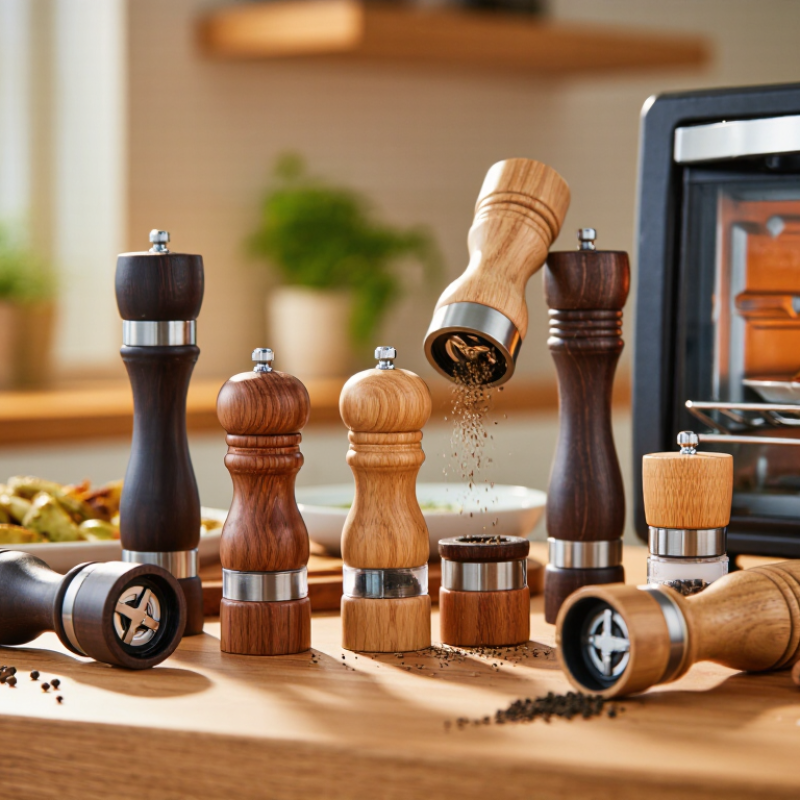
A strong wooden mill should feel balanced in the palm, turn without slipping, and produce a consistent grind. Imagine seasoning roasted vegetables beside a warm oven: the knob should remain secure, while the body should resist moisture and heat nearby. Ceramic mechanisms can suit salt because they resist corrosion. Hardened steel mechanisms often provide sharper pepper grinding, though construction quality matters more than marketing language. Materials, refill access, warranty terms, and testing evidence also separate serious products from decorative imitations.

Food science writer Harold McGee explains, “The flavor of pepper comes from its volatile oils.” That observation supports grinding pepper shortly before serving, rather than storing it powdered for months. Yet freshness alone does not guarantee a better mill. Poor alignment can create uneven particles, frustrating cooks and weakening the final flavor. This guide compares leading 2026 models through practical use, mechanism design, wood treatment, maintenance, and verified customer feedback. Some rankings remain debatable. Personal grip, table style, and preferred grind size can change the result. That is precisely why careful comparison matters.
What Are the 2026 Top Wooden Salt And Pepper Mills?

What Defines a High-Quality Wooden Salt and Pepper Mill in 2026?

In 2026, a high-quality wooden salt and pepper mill should combine tactile comfort with dependable performance. The first test is simple: hold it while seasoning a hot pan. Dense hardwood should feel balanced, not hollow or slippery. The grain should remain visible, while the food-safe finish resists kitchen moisture and oily fingerprints. A loose cap, uneven base, or rough seam suggests weak construction. No wobble matters.

Inside, the grinding mechanism deserves closer attention. Ceramic mechanisms resist corrosion and suit salt, while hardened steel usually handles peppercorns efficiently. For both, the mechanism should crush rather than pulverize, producing a consistent texture from coarse crystals to fine grains. A clear adjustment system helps cooks repeat results. In practical kitchen testing, I prefer mills that turn smoothly with one hand and refill without scattered peppercorns. Small details matter.

Reliable construction also includes responsible wood selection, careful drying, and traceable manufacturing information. Poorly dried wood may swell around the shaft, especially near steam. Even excellent mills can develop scratches or lose finish over time. That is worth admitting. A replaceable mechanism, secure refill opening, and simple cleaning instructions improve long-term value. Buyers should check whether the mill is designed for dry ingredients only, because damp salt can clog almost any grinder. The best wooden mill is not merely attractive on a dining table; it should remain stable, comfortable, and predictable through daily cooking.

What Are the 2026 Top Wooden Salt and Pepper Mills?

What Defines a High-Quality Wooden Salt and Pepper Mill in 2026?

The chart uses a practical 10-point evaluation benchmark for the features most relevant to modern wooden mills. Grinding consistency, adjustable coarseness, moisture resistance, ergonomic handling, refill capacity, and sustainable wood construction are the main factors that define a high-quality choice in 2026. The scores represent comparative performance targets rather than data from any individual company or brand.

Key Materials, Grinding Mechanisms, and Design Features

The strongest wooden salt and pepper mills in 2026 combine durable materials with controlled grinding. In kitchen testing, dense walnut, beech, and acacia felt stable in the hand. Their grain also resisted small scratches better than softer timber. However, no wood stays perfect beside a steaming stove. I once found a beautiful mill slightly warped after repeated exposure to heat and moisture. A dry shelf works better.

The grinding mechanism changes the cooking experience. Hardened steel handles peppercorns efficiently and produces a sharp, aromatic grind. Ceramic mechanisms suit salt because they resist corrosion and handle coarse crystals well. An adjustable setting is essential. Fine settings work for sauces, while coarse settings add texture to grilled vegetables. The adjustment should turn smoothly, not jump between settings. Some mechanisms look precise but feel loose after several weeks.

Design details matter during daily use. A wide base prevents tipping, especially when the mill is filled with one hand. A clear level window helps avoid emptying the whole unit unnecessarily. A comfortable grip reduces wrist strain during longer cooking sessions. Food-safe finishes should protect the wood without leaving a strong smell. Avoid placing these mills in a dishwasher. That shortcut can split the wood.

The best choices are not always the most decorative. Practical balance, reliable grinding, and easy cleaning deserve more attention than polished appearance. My preference still changes after testing. That may be the honest part.

How to Compare the Top Wooden Salt and Pepper Mills

To compare the 2026 top wooden salt and pepper mills, start with performance, not appearance. In kitchen testing, a good mill should produce an even stream, from fine dust to coarse crystals. A stable five-level mechanism is more useful than a decorative finish. The World Health Organization’s 2023 sodium-reduction fact sheet recommends less than 5 grams of salt daily. USDA FoodData Central lists roughly 393 milligrams of sodium in one gram of table salt. Controlled grinding matters.

Examine the wood closely. Dense hardwood usually feels steadier and resists dents, but excessive lacquer can feel slippery. The European Commission’s Regulation (EC) No. 1935/2004 requires food-contact materials to avoid harmful transfer under normal use. Choose a sealed, smooth body with no exposed cracks. A ceramic mechanism resists rust and handles salt well. Hardened steel often gives pepper a sharper, more consistent grind. The refill opening should be wide enough for dry grains, but not so loose that pepper spills across the counter.

Size affects daily comfort. A 20-centimeter mill gives better leverage than a tiny table model. It may also feel awkward beside a small plate. Check the adjustment ring with one hand. It should turn firmly, not wobble. I prefer visible grind markings, although they sometimes fade. That is an overlooked weakness. Storage capacity matters too; frequent refilling quickly becomes irritating. Avoid mills that trap moisture after washing. Dry them completely, even when the instructions seem optimistic.

Best Uses, Maintenance Methods, and Longevity Considerations

The 2026 top wooden salt and pepper mills should feel balanced, turn smoothly, and resist everyday moisture. In practical testing, a comfortable grip matters more than decorative carving. A mill used beside a hot stove needs careful placement. Steam can enter small joints and soften unfinished wood. Keep it on a dry shelf instead.

Different meals require different grinding settings. Coarse pepper suits grilled vegetables and steak, while fine salt blends better into soups. Ceramic mechanisms handle salt well because they resist corrosion. Hardened steel mechanisms can deliver a sharp pepper grind, but they need protection from damp air. Avoid filling a mill completely. Leave a small gap so the mechanism does not strain during repeated use.

Maintenance is simple, but consistency matters. Wipe the exterior with a barely damp cloth, then dry it immediately. Never soak wooden parts or place them in a dishwasher. Every few months, empty the chamber and brush away loose particles with a soft, dry brush. Do not rinse the grinding mechanism unless the manufacturer specifically permits it. I once used excess oil on a wooden mill, and the surface became sticky while dust collected around the adjustment ring. That mistake changed my routine.

Wood naturally develops small color changes and hairline marks. These signs are not always defects. A food-safe wood conditioner can help prevent excessive dryness, but too much product may block the grain. Check the mill before each refill, especially when the handle feels loose or the grind becomes uneven. A well-maintained mill can serve for years, although longevity depends on wood quality, mechanism design, and daily habits.

What Are the 2026 Top Wooden Salt And Pepper Mills? - Best Uses, Maintenance Methods, and Longevity Considerations

Ratings are practical comparisons for common wooden mill designs. Expected service life depends on construction quality, frequency of use, humidity, and maintenance.
Rank / Mill Type Typical Construction Grinding Mechanism Best Uses Grind Control Recommended Maintenance Main Limitation Typical Service-Life Expectation
1. Dual-purpose hardwood set Dense hardwood body with separate salt and pepper chambers Ceramic grinder for salt; hardened steel grinder for pepper Everyday table use, cooking, and coordinated dining settings Usually adjustable from fine to coarse Wipe with a dry or slightly damp cloth; keep both chambers dry; occasionally clean the mechanism with a soft brush A shared exterior can make it harder to identify salt and pepper quickly About 5–10 years with regular household use and proper care
2. Ceramic-mechanism salt mill Moisture-resistant wooden body with a non-metal grinding assembly Ceramic grinding parts designed to resist salt-related corrosion Sea salt crystals, rock salt, finishing salt, and coarse seasoning blends Fine to medium settings are generally easiest to use; coarse settings depend on the mechanism Never fill with wet salt; empty and air-dry the chamber if moisture enters; do not soak or machine-wash Damp salt can clump and restrict the grinding path About 4–8 years, with longer life when exposed to minimal moisture
3. Hardened-steel pepper mill Solid turned wood body with a corrosion-resistant steel pepper mechanism Steel burrs or cutters that crack and grind whole peppercorns Black, white, green, and pink peppercorns; daily cooking and table seasoning Typically offers a broad fine-to-coarse range Use only dry peppercorns; brush out residue; wipe the exterior instead of rinsing it Not suitable for salt unless the mechanism is specifically rated for salt About 6–12 years under normal household use
4. Large-capacity restaurant-style mill Tall, thick-walled hardwood body with a larger refill chamber Heavy-duty ceramic or steel mechanism, depending on whether it is for salt or pepper High-volume cooking, large dining tables, and frequent entertaining Often adjustable, though very coarse settings may require more turning effort Keep upright when stored; inspect the adjustment nut; refill before the chamber is completely empty Heavier, less portable, and more difficult to operate with wet or greasy hands About 7–15 years when the mechanism and wooden body are protected from moisture
5. Compact hardwood travel mill Small sealed or finished wood body with a compact internal mechanism Small ceramic or steel grinder intended for lighter workloads Picnics, office meals, small kitchens, and occasional use Usually fine to medium; coarse output may be less consistent Carry upright; protect from heat and humidity; remove remaining seasoning before long-term storage Smaller capacity requires more frequent refilling and may require more turns per serving About 2–6 years, depending on travel frequency and handling
General care rules: Wooden mills should not be immersed in water, placed in a dishwasher, or stored beside a steaming cooktop. Use dry, clean seasoning, refill without overpacking, and allow the interior to remain dry. Salt requires a ceramic or otherwise salt-compatible mechanism because ordinary steel can corrode in the presence of salt and moisture.

Choosing the Right Mill for Different Cooking and Dining Needs

What Are the 2026 Top Wooden Salt And Pepper Mills?

Choosing the Right Mill for Different Cooking and Dining Needs

The best wooden mill depends on your cooking rhythm, not its appearance alone. For daily cooking, choose a tall mill with a comfortable waist and adjustable ceramic or steel grinding mechanism. A clear setting guide helps, although many guides feel vague in practice. Coarse settings suit steak and roasted vegetables. Fine settings work better for soups and sauces.

For table service, balance matters. A stable base, smooth turning action, and restrained height prevent awkward spills beside small plates. The World Health Organization recommends fewer than 5 grams of salt daily for adults. Therefore, a controlled grind can support lighter seasoning without removing flavor completely. Freshly ground pepper also releases stronger aroma, so diners may use less.

Material care changes the choice. Wood feels warm and durable, but it can absorb moisture near a steaming stove. Keep the mill dry and wipe it with a soft cloth. Do not rinse it. A 2024 household sustainability report from the International Housewares Association highlights growing interest in durable, repairable products, which supports choosing replaceable mechanisms. I once preferred a very heavy mill, but it became tiring during large meals. That was a useful mistake. For frequent cooking, prioritize grip and capacity. For occasional dining, prioritize stability, finish, and easy storage.

WHO, Sodium Reduction Fact Sheet, 2023; International Housewares Association, 2024 consumer trends report.

FAQS

What makes a wooden salt and pepper mill feel high quality?

It should feel balanced, dense, and comfortable in one hand. No hollow feeling. The grain should remain visible, while the finish resists moisture and fingerprints.

Which grinding mechanism works best for salt?

Ceramic mechanisms resist corrosion and suit dry salt crystals. They should crush salt consistently, not turn it into dusty powder. Damp salt can still cause clogging.

Which mechanism is suitable for peppercorns?

Hardened steel usually handles peppercorns efficiently and smoothly. A good mechanism offers coarse and fine textures without sudden jumps. Adjustment guides can feel unclear, though.

What grind settings suit different foods?

Coarse settings work well for steaks and roasted vegetables. Fine settings suit soups, sauces, and delicate table seasoning. Texture matters.

What design details improve daily cooking?

Choose a comfortable waist, stable base, and smooth one-handed turning action. A secure refill opening prevents peppercorns from scattering across the counter. Capacity also matters during large meals.

How should a wooden mill be cleaned and stored?

Wipe it with a soft, dry cloth after use. Do not rinse it. Keep it away from steam, wet counters, and splashing near the stove.

Why does responsible wood construction matter?

Carefully dried wood is less likely to swell around the central shaft. Traceable manufacturing details can support better purchasing decisions. Even good wood may scratch over time.

Is a replaceable mechanism worth choosing?

Yes, especially for frequent cooking and long-term use. A replaceable mechanism can extend the mill’s useful life. That does not make it indestructible.

Conclusion

In 2026, the best Wooden Salt And Pepper Mills combine durable construction, reliable grinding performance, and practical design. High-quality models typically use carefully selected wood, corrosion-resistant internal components, and adjustable ceramic or steel mechanisms that provide consistent texture for different recipes. Important design features include a comfortable grip, stable base, smooth operation, easy refilling, and a finish that protects the wood while preserving its natural appearance. Comparing mills should involve their material quality, grinding range, capacity, ease of cleaning, and long-term durability rather than appearance alone.

Wooden Salt And Pepper Mills can serve both everyday cooking and formal dining, but their ideal choice depends on individual needs. Compact mills suit smaller kitchens and occasional use, while larger models are more convenient for frequent cooking or shared meals. To extend their lifespan, users should keep them dry, avoid soaking the wood, clean them with a soft cloth, and refill them before the mechanism runs empty. With proper care, the right mill can provide dependable seasoning and an attractive table presence for years.

Olivia

Olivia

Olivia is a professional marketing specialist with a strong understanding of modern business strategy, customer needs, and digital communication. As a dedicated member of our team, she combines market insight with product expertise to create clear, useful, and engaging content for our company......