FSC
Certified
Food
Grade
ISO
Quality

Blog

What Is a Rubberwood Serving Tray and Why Buy One?

What Is a Rubberwood Serving Tray and Why Buy One?

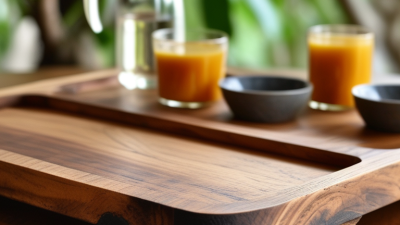
A Rubberwood Serving Tray is a practical piece of tableware made from rubberwood, the timber of mature rubber trees. These trees are commonly harvested after their latex-producing life ends. Instead of becoming waste, the wood can be processed into useful household products. The tray feels warm beneath a coffee cup. Its close grain offers a smooth, pleasant surface. Many designs include raised edges, recessed handles, or a shallow lip for safer carrying. According to rubberwood researcher Dr. P. K. Thulasidas, “Proper processing determines rubberwood’s service value.” This point matters. Kiln drying, preservation, sanding, and finishing strongly affect durability and hygiene. Why buy one? A Rubberwood Serving Tray can carry breakfast, afternoon tea, pastries, or small bowls without looking overly formal. Its natural color suits kitchens, dining rooms, and relaxed hospitality. Rubberwood is also generally lighter than many hardwood alternatives, making a full tray easier to lift. Still, it is not indestructible. Water can stain unfinished surfaces. Excessive heat may damage the coating. A poorly made tray may warp or develop rough edges. That is why buyers should inspect the grain, handles, finish, and joint quality before purchasing. Choose carefully. The best tray balances appearance, strength, safe finishing, and everyday comfort. Its sustainability story is meaningful, but only when responsible manufacturing supports it. A beautiful tray alone cannot guarantee good materials or ethical production.
Read more »
Liam By:Liam - September 11, 2026
10 Best Acacia Wood Cutting Boards for Every Kitchen

10 Best Acacia Wood Cutting Boards for Every Kitchen

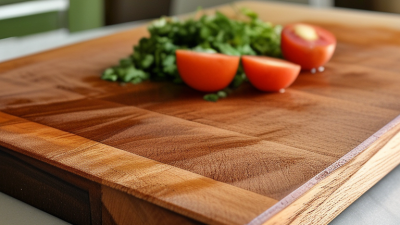
A good cutting board should feel dependable before the first meal is prepared. The 10 Best Acacia Wood Cutting Boards for Every Kitchen explores boards that balance durability, appearance, comfort, and daily practicality. Acacia is naturally dense, with warm brown grain patterns that can make a countertop feel more inviting. It also resists moisture better than many softer woods, although it is not waterproof. Woodworking educator Paul Sellers offers a useful reminder: “Wood is a natural material, and it changes with time.” That thought matters when choosing an Acacia Wood Cutting Board. Even a well-made board may develop small color changes, knife marks, or slight movement after repeated washing. That is not always a defect. It is part of owning real wood. Still, quality differences are important. This guide considers board thickness, stable construction, smooth edges, surface finish, and practical working space. It also looks at whether each board feels secure while slicing onions, herbs, bread, or meat. Some boards look beautiful but feel too light. Others are sturdy yet awkward to store. Care remains part of the buying decision. Hand washing, prompt drying, and occasional food-safe mineral oil can help preserve the surface. Avoid the dishwasher. Avoid soaking. No board is perfect. A dark acacia pattern may hide crumbs, but it can also conceal deep scratches. A large board offers room, yet demands more storage. These honest trade-offs shape the recommendations, helping every kitchen find a board that performs well beyond its first attractive photograph.
Read more »
Ethan By:Ethan - September 11, 2026
10 Best Teak Wood Salad Bowls for Wholesale Buyers

10 Best Teak Wood Salad Bowls for Wholesale Buyers

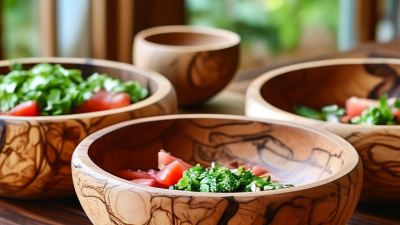
Choosing the right Teak Wood Salad Bowl can shape a wholesale buyer’s reputation, margins, and customer satisfaction. This guide examines ten practical options for restaurants, retailers, hospitality suppliers, and gift businesses. Each bowl deserves closer attention than a polished product photograph suggests. R. Bruce Hoadley, a respected wood scientist and author of Understanding Wood, offered a useful warning: “Wood moves with moisture.” That short statement matters. Teak may resist moisture better than many hardwoods, but it is not maintenance-free. Buyers should inspect grain stability, wall thickness, surface smoothness, and the consistency of the food-safe finish. A bowl with rough inner fibers can trap dressing and complicate cleaning. Small details become costly at wholesale volume. The best choices balance appearance with repeatable production. Look for responsibly sourced teak, clear care instructions, dependable packaging, and realistic sizing. A 12-inch bowl may suit shared salads, while smaller bowls can support retail bundles or hotel service. Weight also matters. Heavy bowls feel substantial, yet excessive weight can raise shipping costs and handling risks. Not every natural mark is a defect. Some variation gives teak its character. Still, deep cracks, unstable joints, strong chemical odors, or uneven rims deserve rejection. This selection is not flawless. Supplier claims can be vague, and finish quality may vary between batches. Buyers should request samples before placing large orders. The following ten Teak Wood Salad Bowl options are evaluated through a wholesale lens, combining visual appeal, practical durability, care requirements, and purchasing reliability.
Read more »

Ethan By:Ethan - September 11, 2026