


Expert knowledge on Acacia, Teak, and Rubberwood kitchenware manufacturing, sustainable sourcing, and export trends.
Learn how NaTree ensures full compliance with global food safety regulations and eco-friendly timber standards.
Choosing Wooden Charger Plates for wholesale requires more than comparing attractive photographs and low unit prices. Buyers must assess material quality, finishing methods, dimensions, packaging, and supplier reliability. A plate may look beautiful online yet arrive with uneven edges, strong odors, or inconsistent coloring. Small details matter.
Start by identifying the intended setting. Restaurants may need durable plates for frequent table changes. Hotels often prefer elegant designs that match several dining themes. Event planners may value lightweight pieces and compact storage. Solid wood offers a rich, natural appearance, while engineered wood can provide better consistency and cost control. However, construction quality varies widely.
Inspect product samples before placing a large order. Check the underside for smooth sanding and stable support. Place a glass on the surface and look for wobbling. Rub the finish gently with a dry cloth. Color transfer may indicate weak coating quality. Ask suppliers about wood species, moisture control, finish composition, and production capacity. Request clear photographs of actual inventory, not only promotional images.
Wholesale success depends on predictable performance. Confirm dimensions, weight, carton quantity, replacement policies, and lead times in writing. Packaging should protect corners and prevent surface scratches during transport. It is also wise to verify applicable food-contact and product-safety requirements in your market. Wooden Charger Plates may be decorative, but customer expectations remain practical.
There is no perfect option. A darker finish can show dust more easily. A lower price may hide higher replacement costs. Review samples, question assumptions, and compare total value rather than price alone. Reliability is built through evidence, not promises.
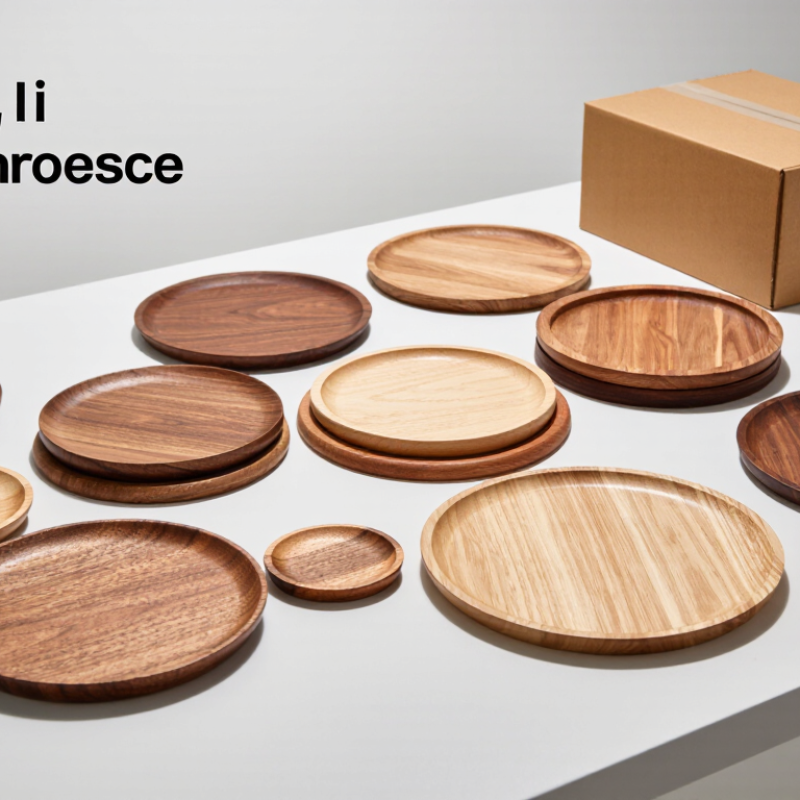
How to Choose Wooden Charger Plates for Wholesale
Wooden charger plates vary in structure, weight, finish, and intended service environment. For wholesale buyers, the right type depends on menu style, table turnover, storage space, and care routines. Solid hardwood plates provide a dense, premium feel for weddings, hotels, and formal dining rooms. Oak, acacia, and rubberwood differ in grain, color, hardness, and price. They look substantial. Yet, heavier plates increase shipping and handling costs.
Plywood or veneered plates can reduce weight while preserving a convincing wood surface. They suit event companies managing large inventories and frequent setup changes. Bamboo plates offer a light, modern option, especially for casual cafés and outdoor-style tables. However, buyers should verify the adhesive, edge sealing, and moisture resistance before placing large orders. Reclaimed wood adds character, but color variation may complicate matched sets. That is not always a flaw. It can frustrate customers expecting identical pieces.
Use samples to inspect flatness, sanding quality, coating consistency, and underside stability. Place a damp cloth on the sample, then check for swelling, staining, or raised grain after drying. Ask suppliers for material details, finish specifications, carton dimensions, and reasonable care instructions. A plate designed for decorative layering may not tolerate repeated commercial washing. Do not judge durability from appearance alone. For wholesale selection, calculate landed cost per usable plate, including expected replacements and storage losses. A slightly imperfect finish can feel authentic, but uneven edges create service problems.
Wholesale buyers should inspect wood quality before comparing appearance. The USDA Forest Service Wood Handbook, FPL-GTR-190, explains that interior wood often stabilizes near 6–9% moisture content. This matters because excess moisture can cause warping, cracks, or loose edges. Request the wood species, moisture range, board thickness, and joint construction. Dense hardwood feels firm under light pressure, while weak softwood may dent easily. Common charger diameters range from 12 to 14 inches, but table spacing should decide the final size. Measure the plate rim and allow room for cutlery.
Finish quality affects cleaning, color stability, and user safety. The 2022 FDA Food Code requires food-contact surfaces to be smooth, durable, nonabsorbent, and easy to clean. Most wooden chargers are decorative, not direct food-contact products. Ask suppliers to state this clearly. For direct-contact use, request food-contact declarations and migration-test documents for the target market. Check coating odor after 48 hours, especially in enclosed cartons. A heavy gloss can hide sanding marks. It can also become slippery.
Tips: Order samples from different production batches. Test them with damp cloths, mild detergent, and repeated stacking. Record size variation, coating wear, and moisture readings. Wood is never perfectly uniform. That is acceptable, but unexplained variation is a purchasing risk. USDA Forest Service data supports moisture checks; FDA guidance supports surface and cleaning checks.
Key purchasing criteria: material quality, size consistency, finish performance, and safety documentation.
For wholesale purchasing, prioritize sustainably sourced solid or laminated wood, consistent plate dimensions, smooth food-contact finishes, and documented compliance with applicable food-contact and chemical-safety requirements. The scores represent a practical procurement weighting, with safety documentation receiving the highest priority.
When choosing wooden charger plates for wholesale, match the customer’s dining style before comparing finishes. Rustic restaurants often suit visible grain, warm walnut tones, and slightly irregular edges. Modern venues usually need clean circles, pale wood, and consistent sizing. For weddings, smooth surfaces and neutral colors photograph well under soft lighting. Hospitality buyers should also measure table settings carefully. A 13-inch plate may overwhelm small tables.
Customer priorities are shifting. PwC’s 2024 Voice of the Consumer Survey reported that 46% of consumers were buying more sustainable products. This supports demand for wood, but buyers still expect practical performance. Ask about moisture resistance, food-contact separation, cleaning instructions, and replacement availability. A beautiful finish means little if plates warp after repeated wiping. I have seen buyers focus too heavily on appearance, then struggle with storage space and inconsistent batches.
The National Restaurant Association’s 2024 industry report identified operating costs as a major pressure for foodservice businesses. Therefore, wholesale value includes durability, packing efficiency, and low replacement rates. Choose stackable plates for banquet customers. Select lighter designs for venues serving hundreds of guests. Certification details and material traceability also strengthen purchasing decisions. Avoid vague sustainability claims. They need verification. Even experienced buyers should test a small batch under real service conditions. That step may reveal scratches, uneven edges, or color changes before a large order.
When buying wooden charger plates wholesale, the unit price is only one part of the decision. A low quote may exclude sanding, sealing, inner packaging, or export cartons. Ask suppliers to list every cost clearly. Compare the final landed cost, not just the factory price. Look beyond the quote.
Request a sample before placing a large order. Check the plate’s weight, surface smoothness, edge finish, and resistance to light moisture. These details affect restaurant handling and replacement rates. Wholesale prices often change with wood type, thickness, finish, and order volume. A slightly higher price may provide more consistent quality. Still, never assume it does. Confirm the specifications in writing.
Minimum order quantities deserve careful attention. A large MOQ can reduce the unit price, but it may lock up cash and fill valuable storage space. Ask whether different sizes or finishes can be combined within one order. Clarify payment stages, production time, shipping responsibility, and the process for damaged goods. Reliable suppliers should provide measurable terms, not vague promises. I once underestimated carton space and paid more for storage than expected. That mistake changed my buying process. Now I calculate product, freight, duty, packaging, and handling costs before comparing offers. A practical supplier should also explain quality inspections and production delays honestly. That openness is often more valuable than the lowest price.
When buying wooden charger plates wholesale, inspect packaging before judging the surface finish. Each plate should have a paper sleeve, corner protection, or a molded divider. Loose stacking often causes scratches, warped edges, and moisture stains. Ask suppliers for carton dimensions, drop-test results, and inner-pack counts. Packaging Machinery Manufacturers Institute’s 2023 Packaging Compass report identifies material efficiency and damage reduction as major packaging priorities. That matters during long-distance shipping.
Customization needs equal attention. Confirm the wood species, coating, edge profile, logo method, and color tolerance in a signed sample sheet. Laser marks can darken unevenly on different grains. Water-based coatings may look attractive, but they still need abrasion and moisture testing. Smithers’ 2024 sustainable-packaging analysis highlights rising demand for lower-impact materials and reusable formats. However, “natural” does not automatically mean durable. I once underestimated humidity, and several plates developed slight cupping. That mistake was expensive.
Tips: Request three production samples, not one. Test stacking, wiping, and repeated handling. Ask for replacement terms and inspection photos. Check whether packaging materials can be recycled locally. For long-term supply, review monthly capacity, wood-source documentation, lead times, and backup production plans. A reliable supplier should disclose batch tolerances and notify buyers before changing timber, coating, or packaging. Keep a retained sample from every approved order. Small records prevent large disputes.
Ask for the wood species, moisture range, thickness, and joint construction. Interior wood often stabilizes around 6–9% moisture. Too much moisture may cause warping, cracks, or loose edges.
Press the surface lightly with a finger. Dense hardwood should feel firm. Softer wood may dent easily. This simple test is useful, but it is not enough alone.
Common diameters range from 12 to 14 inches. Measure the table, plate rim, and cutlery space first. A 13-inch plate may overwhelm a small table.
Many are decorative products, not direct food-contact items. Ask suppliers to state the intended use clearly. For direct contact, request safety declarations and migration-test documents for the target market.
Check for sanding marks, strong odor, slippery gloss, and uneven color. Test the coating after 48 hours in a closed carton. A beautiful surface can still fail during cleaning.
Order samples from several production batches. Wipe them with a damp cloth and mild detergent. Test repeated stacking, moisture changes, scratches, and coating wear. Keep written measurements.
Use paper sleeves, corner protection, or molded dividers. Loose stacking can cause scratches, warped edges, and moisture stains. Ask for carton sizes, inner-pack counts, and drop-test results.
Confirm the wood species, coating, edge profile, logo method, and color tolerance. Use a signed sample sheet. Laser marks may appear darker on different grain patterns.
Review monthly capacity, lead times, wood-source records, and backup production plans. Ask about batch tolerances and replacement terms. Keep one approved sample from every order. Small records help prevent large disputes.
Do not focus only on appearance. I once underestimated humidity, and several plates developed slight cupping. Real-service testing may reveal storage problems, uneven edges, or color changes.
Choosing the right Wooden Charger Plates for wholesale requires more than comparing appearance and price. Buyers should first understand the differences between solid wood, engineered wood, bamboo, and decorative wood-finish plates, then select the type that suits restaurants, hotels, event venues, or home dining collections. Material durability, plate size, surface finish, moisture resistance, and food-contact safety should be carefully assessed to ensure reliable everyday use and easy maintenance.
Wholesale buyers should also consider how each design matches different dining styles, from rustic and natural to modern and elegant. A complete evaluation should include unit prices, minimum order quantities, production times, payment terms, and shipping arrangements. Protective packaging is essential to reduce damage during transportation, while customization options such as colors, patterns, sizes, or logos can support different customer needs. Finally, suppliers should demonstrate consistent quality, responsive communication, stable production capacity, and dependable long-term supply.