
Direct from our FSC-certified manufacturing facility. Engineered for commercial durability, food safety compliance, and bespoke private-label customization.
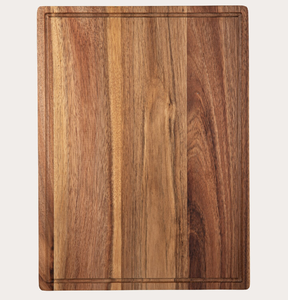
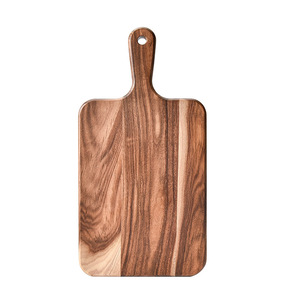
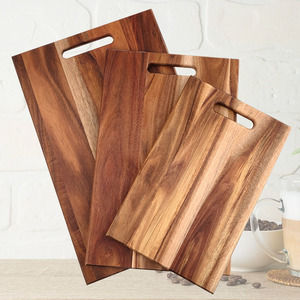
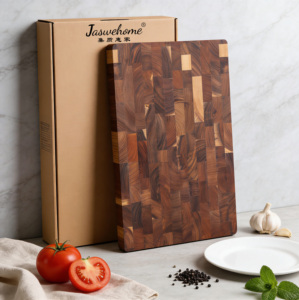
As global retail buyers, kitchenware brands, and hospitality procurement executives evaluate supply chains for 2025 and beyond, the market for wooden salt and pepper mills is undergoing a structural evolution.
With the implementation of the European Union Deforestation Regulation (EUDR) and stricter Lacey Act enforcement in North America, transparent timber supply chains have shifted from a corporate bonus to a mandatory legal baseline. Leading manufacturers are integrating digital blockchain geolocation tracking for every log of Acacia, Rubberwood, and Teak used in grinder bodies.
Traditional carbon steel cores are rapidly being replaced by high-density, diamond-sharp Alumina Ceramic grinding mechanisms. Ceramic cores are 100% non-corrosive against aggressive sea salts, chemically inert (preserving essential spice oils), and offer zero flavor contamination across extended commercial usage lifespans.
Modern tabletop architecture demands high aesthetic distinction. Procurement data reveals a 45% YoY surge in demand for hybrid grinders combining warm, natural hardwood grains (such as rich dark Acacia or golden Teak) with brushed stainless steel accents, matte black anodized aluminum collars, or transparent acrylic viewing windows.
Commercial culinary buyers and high-end consumer brands require micro-adjustable coarseness settings. Modern internal grinding mechanisms now incorporate spring-loaded, multi-stage detent adjustment dials (from fine espresso-like dusting to coarse cracked peppercorns) that lock securely without slippage during heavy rotation.
Consumer safety scrutiny has heightened around synthetic varnishes and chemical lacquers. The industry standard has permanently transitioned toward organic, food-grade mineral oils, pure beeswax seals, and raw walnut oil finishes that nourish the natural timber grain while passing stringent FDA 21 CFR 175.300 and EU LFGB food-contact tests.
B2B importers are prioritizing turnkey OEM solutions. From precision fiber-laser engraving of corporate logos to customized FSC-certified retail color boxes with plastic-free inner packaging, manufacturers offering complete ODM design support deliver significant time-to-market advantages.
Selecting the optimal wooden mill or kitchenware supply partner requires balancing timber physical properties with mechanical integrity. Below is an engineering comparison of primary hardwood species used in high-volume export manufacturing:
| Wood Material | Janka Hardness Rating | Dimensional Stability | Natural Oil / Water Resistance | Best Application |
|---|---|---|---|---|
| Acacia Wood | 1,750 lbf (Very High) | Superior (Low Warp) | High Natural Tannins & Oils | Heavy-Duty Salt/Pepper Mills, Chopping Blocks, Serving Platters |
| Teak Wood | 1,150 lbf (Moderate-High) | Exceptional (Minimal Shrinkage) | Maximum Natural Silica & Teak Oil | Luxury Tableware, Salad Bowls, Moisture-Exposed Mills |
| Rubberwood | 960 lbf (Medium) | Stable (Post-Kiln Drying) | Moderate (Requires Oil Seal) | Cost-Effective Mass Retail Mill Sets, Cutting Trays |
| Olive Wood | 1,520 lbf (High) | High Density / Moderate Stability | High Natural Oil Content | Artisanal Premium Pepper Mills, Charcuterie Boards |
Technical Insight on Kiln-Drying: Moisture content is the single critical failure point in wooden kitchenware manufacturing. Raw timber must undergo a controlled 30-day vacuum kiln-drying schedule to stabilize equilibrium moisture content (EMC) strictly between 8% and 12%. This precise engineering standard prevents axial warping, surface micro-cracking, or core splitting when mills are exported across contrasting climate zones (e.g., from tropical manufacturing hubs to arid or heated Northern European homes).
As a premier OEM/ODM wooden salt and pepper grinder manufacturer and tableware exporter, our production facilities bridge traditional woodworking craftsmanship with advanced CNC automation.
Our automated 5-axis CNC wood lathes guarantee sub-millimeter dimensional tolerances on internal rotor cavities, threaded top caps, and ergonomic outer contours. Every grinder lid fits smoothly without wobble, maintaining seamless alignment with the internal stainless steel drive shaft.
All finished wooden components and internal grinding mechanisms are subjected to rigorous third-party testing by SGS, TÜV, and Intertek. We certify 100% compliance with U.S. FDA 21 CFR 175.300, German LFGB, EU Food Contact Regulation (EC) No 1935/2004, and California Proposition 65.
We provide comprehensive private label customization for retail brands and department store chains. Options include high-resolution laser logo etching, hot-stamped gold/silver foil branding, custom-printed magnetic gift boxes, and eco-friendly plastic-free protective packaging.
Direct technical answers to common questions raised by global purchasing managers, importers, and brand owners.