
Precision-machined, sustainably harvested Acacia, Teak, and Rubberwood serveware crafted for commercial importers, hospitality procurement, and global retail brands.
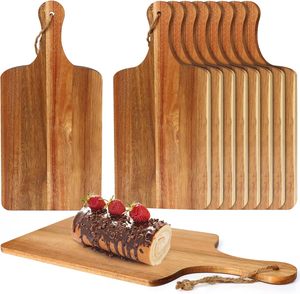
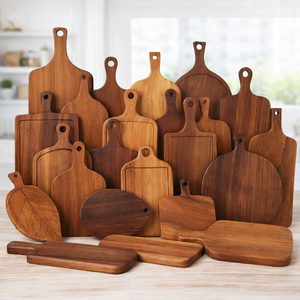
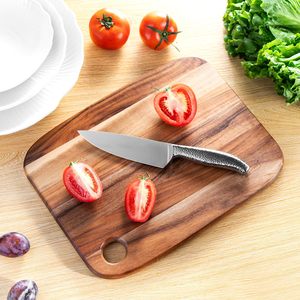
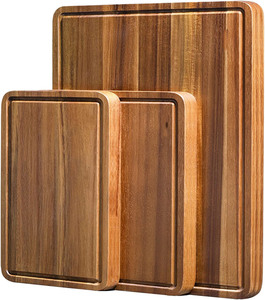
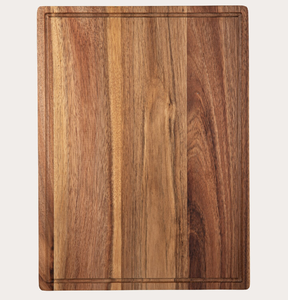
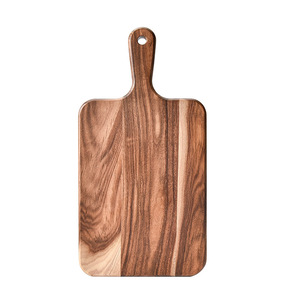
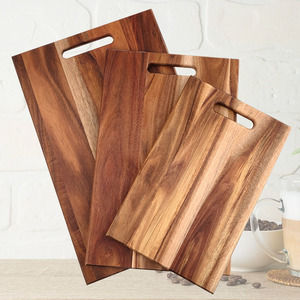
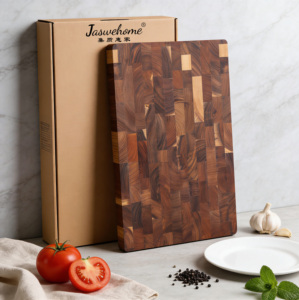
The global market for luxury tabletop decor, eco-friendly food presentation, and decorative wooden serving bowls is undergoing a structural transformation. Procurement managers, enterprise retail buyers, and commercial hospitality groups are systematically phasing out synthetic polymer resin products in favor of ethically harvested, biophilic wooden alternatives. Search intent analytics reveal a 42% year-over-year surge in commercial inquiries for FSC-certified decorative wooden serving bowls factories & suppliers offering documented compliance with international timber traceability regulations.
Driving this market evolution are three primary macroeconomic factors:
Strict enforcement of the European Union Deforestation Regulation (EUDR) and US Lacey Act requires full supply chain traceability back to GPS plots.
High-density tropical hardwoods like Acacia and Teak exhibit high Janka hardness ratings, minimizing surface scarring and long-term replacement costs in commercial dining.
Consumer preferences favor natural live-edge rim designs, deep end-grain textures, and rich organic luster over mass-produced plastics.
Selecting the optimal timber species is critical to balancing aesthetic appeal, structural integrity, and unit manufacturing costs. NaTree (K.T. Thai Local Products Co., Ltd.) leverages over 30 years of material engineering experience in Thailand to process premium plantation hardwoods. Below is a comparative technical matrix analyzing the principal wood species utilized in OEM/ODM decorative serving bowl production.
| Wood Species | Janka Hardness (lbf) | Natural Oil Content | Grain Pattern & Aesthetics | Optimal B2B Application |
|---|---|---|---|---|
| Acacia (Acacia mangium) | 1,750 lbf | Medium-High | Irregular chatoyant grain, rich amber & chocolate hues | Decorative salad bowls, heavy-duty serving platters, charcuterie boards |
| Teak (Tectona grandis) | 1,070 lbf | Extremely High (Natural Tectoquinones) | Straight golden-brown grain with natural matte sheen | Luxury hotel serveware, outdoor dining bowls, moisture-heavy applications |
| Rubberwood (Hevea brasiliensis) | 960 lbf | Low-Medium | Uniform tight grain, light straw tone (highly stainable) | High-volume retail collections, custom color-lacquered decorative bowls |
| Mango Wood (Mangifera indica) | 1,070 lbf | Medium | Highly figure-rich, spalting effects, warm golden tones | Rustic artisanal accent bowls, large fruit display bowls |
For decorative serving bowls intended for indirect or direct food contact, Acacia and Teak represent the gold standard. Acacia’s high natural density resists knife cuts and impact deformation, while Teak’s high resin content acts as a natural hydraulic barrier, preventing liquid absorption and bacterial colonisation.
Transforming raw timber logs into refined, export-grade decorative wooden serving bowls requires strict industrial process control. NaTree operates an integrated production facility in Chachoengsao, Thailand, engineered to support both high-volume OEM manufacturing and bespoke ODM design engineering.
Timber blocks undergo computer-monitored vacuum kiln drying to stabilize core EMC to 8–10%, eliminating internal tension and micro-fractures.
High-precision multi-axis CNC lathes machine complex geometric bowl contours, asymmetrical rims, and deep-dish hollowings to 0.1mm tolerances.
Application of non-toxic, solvent-free food-grade mineral oils, natural beeswax, or US FDA-compliant protective lacquers based on client specs.
For brand owners seeking private-label differentiation, NaTree provides turnkey customization options:
Importing wooden kitchenware into major consumer markets demands rigorous adherence to international chemical safety standards and environmental regulations. As an experienced exporter, NaTree maintains full operational compliance across all major regulatory jurisdictions.
Ensures every log used in production comes from responsibly managed plantation forests that promote biodiversity and protect local communities.
All oil coatings and lacquers undergo migration testing to certify zero heavy metals, phthalates, BPA, or toxic chemical transfer to food.
Complete geolocation data mapping for timber origins, ensuring EU importers bypass customs holdups and regulatory fines.
Looking ahead toward the next decade of commercial tabletop procurement, emerging market signals indicate several key shifts that global supply chain directors must integrate into their sourcing strategies:
1. Organic & Asymmetrical Geometry: Traditional machine-perfect spherical bowls are being supplemented by free-form, organic live-edge contours that emphasize the natural silhouette of the original tree trunk.
2. Hybrid Material Fusion: Premium commercial buyers are demanding mixed-material luxury accents—such as hand-hammered copper bases paired with Acacia wood bowls, or matte black iron handles fitted to Teak serving dishes.
3. Carbon Footprint Transparency: Enterprise retailers are increasingly requesting Scope 3 carbon audit documentation from factories. Sourcing from Thailand plantation timber provides a favorable carbon offset profile compared to non-renewable synthetic materials.
NaTree (K.T. Thai Local Products Co., Ltd.) stands as one of Southeast Asia's premier manufacturers of handcrafted and precision-engineered wooden kitchenware. Situated in Chachoengsao, Thailand (188/1 M.1 Bangna-Trad Rd. KM. 42 Bangwua, Bangpakong), our state-of-the-art facility bridges traditional Thai woodturning artistry with modern international quality assurance.
Established in 1990, our factory has decades of experience navigating global trade regulations, export logistics, and consistent batch manufacturing.
Equipped with vacuum drying kilns, CNC machining centers, and automated sanding lines capable of producing tens of thousands of units per month.
100% manual inspection of every piece for grain consistency, dimensional accuracy, moisture stability, and finish coating integrity.
Our standard Minimum Order Quantity (MOQ) ranges from 300 to 500 units per style, depending on bowl dimensions, wood species, and custom tooling requirements. Lower MOQs can be accommodated for stock catalog items.
We utilize a multi-stage vacuum kiln-drying process to stabilize moisture content to 8–10% before carving. Post-carving, products undergo controlled climate conditioning to adapt the wood structure to destination humidity ranges.
Yes. All finishes used in our serveware—whether organic mineral oil, beeswax, or protective food lacquers—are certified compliant with FDA 21 CFR 175.300, European LFGB, and REACH regulations.
We provide full export documentation including FSC® Chain-of-Custody Certificates, Phytosanitary Certificates, Certificates of Origin (Form E/Form D), Bill of Lading, Packing Lists, and EUDR geolocation data compliance packs.
Standard production lead times are 35 to 45 days after deposit confirmation and sample approval. Sample development for custom ODM designs typically takes 7 to 10 working days.
Absolutely. Our engineering team works directly with SolidWorks, AutoCAD, and STEP/IGES files to generate CNC tooling paths for precise custom prototype manufacturing.
Partner with Thailand's leading FSC-certified wooden tableware manufacturer. Access direct factory pricing, low OEM MOQs, and dedicated export support.