
Engineered for commercial food service, international retail chains, and OEM private label brands. Handcrafted in Thailand with zero plastic and food-grade safe finishes.
Understanding the macroeconomic forces, ESG compliance requirements, and material innovations reshaping the global eco-friendly tableware supply chain.
As global environmental legislation intensifies—marked by the European Union Deforestation Regulation (EUDR) and the US Lacey Act enforcement—the global houseware and hospitality procurement sectors are accelerating their migration away from single-use plastics and synthetic melamine. B2B buyers, commercial kitchenware distributors, and boutique retail brands are seeking enterprise-grade manufacturers capable of delivering certified, sustainable timber products with zero supply-chain friction.
The global eco-friendly wooden utensils market is projected to surpass $12.8 Billion by 2030. This whitepaper serves as a definitive evaluation framework for procurement directors, product managers, and global importers seeking to benchmark the world's leading wooden utensils and kitchenware factories across key criteria: raw timber traceability, moisture control technology, food-grade oil safety, and large-scale OEM capabilities.
Before issuing an RFP or initiating contract manufacturing, global procurement teams must audit wooden utensil factories using these five fundamental technical indicators.
Verified FSC-C123456 Chain of Custody tracking ensures timber originates from responsibly managed plantation forests. Essential for full compliance with 2025 EUDR requirements and avoiding heavy port confiscation risks.
Proper automated computer-controlled kiln drying brings timber to an Equilibrium Moisture Content (EMC) of 8% to 12%. This technical threshold prevents warping, splitting, and mold growth during long maritime container transit.
Direct-food-contact utensils require 100% natural, VOC-free finishes, such as purified food-grade mineral oil, organic beeswax, or natural tung oil, fully certified under FDA 21 CFR 175.300 and EU Regulation 1935/2004.
High-end wooden utensil sets demand modern CNC routing, automated turning, and high-density sanding (up to 400-grit) to achieve smooth, splinter-free tactile ergonomics and uniform dimensions across thousands of production units.
Tier-1 factories maintain BSCI (Business Social Compliance Initiative) or SMETA audit certifications, guaranteeing fair labor wages, zero child labor, safe workshop ventilation, and ethical manufacturing practices.
A detailed breakdown of the leading global manufacturers and industrial clusters specializing in eco-friendly wooden spoons, spatula sets, cutting boards, and tableware.
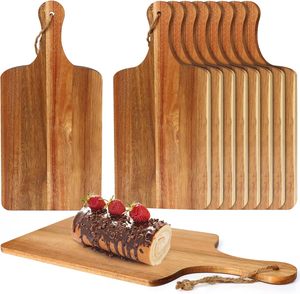
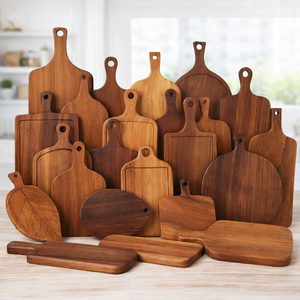
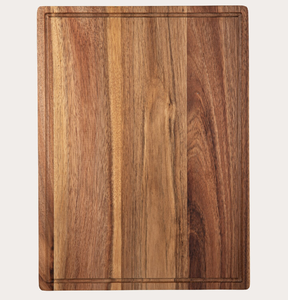
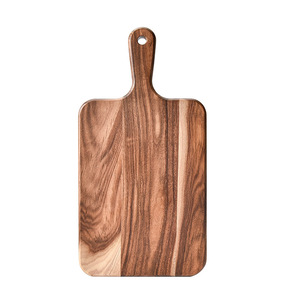
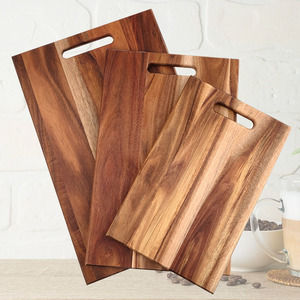
Overview & Capabilities: Operating a massive production facility in Bangpakong, Chachoengsao, NaTree stands as Thailand’s flagship exporter of sustainable handcrafted wooden kitchenware. With over three decades of operational excellence, NaTree specializes in high-density Acacia chopping blocks, Teak salad bowls, and ergonomic wooden utensil sets. The factory integrates automated dehumidification kilns, multi-axis CNC lathes, and non-toxic mineral oil dip tanks, producing over 150,000 units monthly for tier-1 retailers across Europe, North America, Japan, and Australia.
Overview & Capabilities: Vietnam's Binh Duong manufacturing hub is renowned for large-scale rubberwood and acacia utensil assembly lines. Factories here excel at mass-producing low-cost, high-volume kitchen utensils and basic cutting boards. While offering exceptional price competitiveness, buyers must verify individual supplier kiln-drying consistency to prevent warping in drier northern hemisphere climates.
Overview & Capabilities: Located in China's bamboo and wood industrial belt, this plant features fully automated robotic sanding and laser-engraving lines. Specializing in composite bamboo utensils and high-speed acacia spatulas, it offers massive production scalability and low unit costs, ideal for budget-conscious global retail promotions.
Overview & Capabilities: Famous for rich, high-oil Indonesian Teak wood (Tectona grandis), this cluster produces exquisite, highly figured serving spoons, salad servers, and rustic bowls. Products showcase dramatic organic grain patterns. However, lead times tend to be longer due to semi-artisanal hand-finishing processes.
Overview & Capabilities: Specializing in European Beechwood, Oak, and Walnut utensils, these German mills represent the gold standard in precision engineering and stringent EU food safety compliance. Operating with near-zero material waste, their pricing targets luxury luxury culinary brands and high-end department stores.
Evaluating wood species performance across density, moisture absorption, knife-edge protection, and commercial longevity.
| Wood Species | Janka Hardness (lbf) | Water Absorption Rate | Natural Silica / Oil Content | Knife Edge Longevity | Commercial Sustainability |
|---|---|---|---|---|---|
| Thai Acacia Wood | 1,750 lbf (High) | Very Low (< 4.2%) | High Natural Oil Content | Excellent (Self-Healing) | 100% FSC Fast-Growing Plantation |
| Golden Teak Wood | 1,070 lbf (Medium) | Extremely Low (< 2.5%) | Abundant Natural Teak Oil | Superior Gentle Grip | FSC Sustainable Harvest |
| Thai Rubberwood | 960 lbf (Medium-Soft) | Moderate (< 7.5%) | Low Oil / Needs Sealing | Good for Light Prep | Upcycled Latex Plantation Wood |
| Moso Bamboo (Grass) | 1,380 lbf (Hard) | Moderate (< 6.8%) | High Silica (Abrasive) | Dulls Knife Blades Quickly | Rapid Renewal Cycle |
| European Beechwood | 1,300 lbf (Medium-Hard) | High (< 9.5%) | Zero Natural Oils | Moderate Knife Care | Sustainably Managed EU Forests |
Strategic insights for global purchasing agents preparing for changing environmental regulations and consumer demands over the next decade.
Under EUDR legislation, buyers must demand GPS polygon coordinates for the exact forest plot where timber was harvested. Leading factories like NaTree provide full digital chain-of-custody data packets for frictionless customs clearance.
Thermal modification processes heat wood to 180°C–220°C in oxygen-free kilns, permanently altering cell structure. This chemical-free treatment drastically reduces water absorption, increases dimensional stability, and creates rich caramel colors naturally.
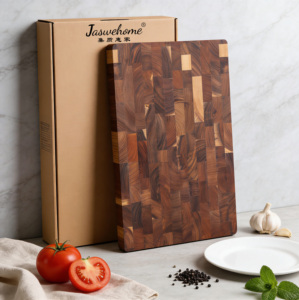
Modern B2B buyers require retail-ready solutions directly from the factory floor. Leading facilities now offer custom kraft gift box packaging, plastic-free cotton twine wrapping, and custom laser-engraved brand logos to streamline inventory management.
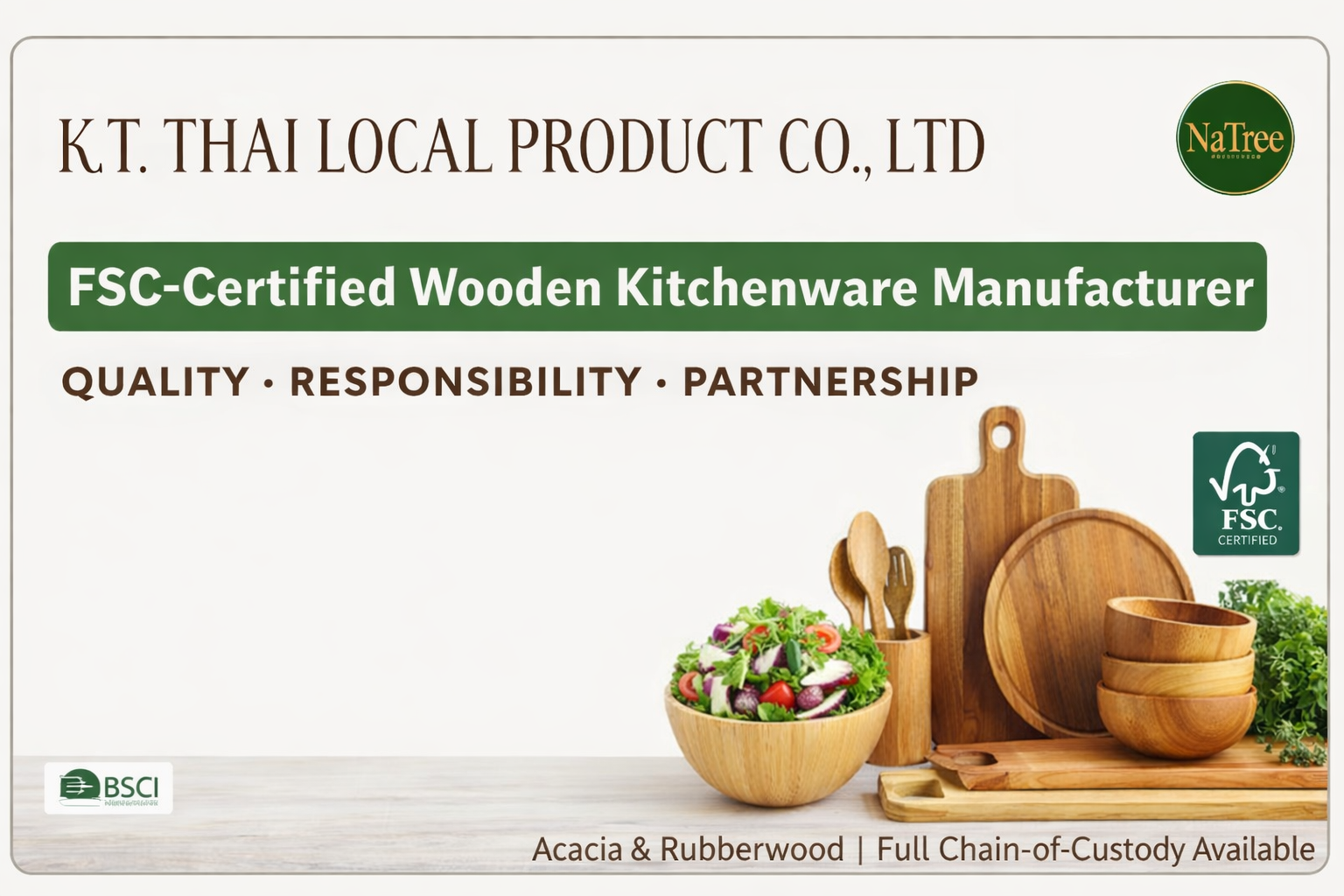
Founded in 1990 in Chachoengsao, Thailand, NaTree (K.T. Thai Local Products Co., Ltd.) has grown over 30+ years into one of Southeast Asia's most respected manufacturers of FSC-certified wooden kitchenware, serveware, and tabletop accessories.
Operating under the motto "Think of Natural Products, Think of NaTree", our state-of-the-art manufacturing plant integrates computer-controlled kiln dryers, zero-VOC oil coating lines, and rigorous hand-finishing processes. We serve B2B buyers across 30+ countries, offering end-to-end OEM customization, rapid prototyping, and full customs compliance.


Direct, expert answers to key technical, logistical, and compliance questions when ordering wooden kitchenware in bulk.
Standard factory MOQs for custom OEM wooden utensil sets typically range from 500 to 1,000 sets per design. For stock items or blank acacia cutting boards, lower initial trial order quantities (200-300 units) can often be arranged for new B2B accounts.
NaTree maintains rigorous FSC Chain of Custody tracking from verified Thai plantations. Every shipment comes complete with timber provenance documentation, phytosanitary certificates, and plot geolocation data to guarantee full EUDR compliance upon import into EU ports.
Wood naturally expands and contracts with ambient humidity. By kiln-drying timber down to 8%–12% Equilibrium Moisture Content (EMC), we lock in dimensional stability. This prevents checking, cracking, and warping when goods travel through varying climate zones.
Our food-contact products are treated with purified, USP-grade food-safe mineral oil and organic beeswax. This non-toxic finish penetrates deep into wood pores, repelling moisture and enhancing natural grain contrast without introducing synthetic chemicals.
Yes. We offer high-precision CO2 laser engraving, hot-stamp branding, and custom silk-screen printing. Packaging options include FSC kraft boxes, recycled header cards, cotton drawstring pouches, and barcoded master cartons.
Acacia is a true hardwood with high natural oil content, making it gentler on non-stick cookware and superior in water resistance. Bamboo is a grass composite bound by glues that can break down under heat; Acacia offers a solid single-timber structure with rich aesthetic grain.
Standard production lead time is 35 to 45 days upon sample approval and deposit confirmation. Expedited schedules are available for recurring contract orders with pre-arranged timber allocations.
Wooden kitchenware and utensils fall under HS Code 4419.90 (Tableware and kitchenware, of wood). Our documentation team ensures precise tariff classification for seamless customs entry.
Hand washing with mild dish soap and warm water is recommended. Users should avoid dishwasher cycles and prolonged soaking. Periodic application of food-grade mineral oil refreshes the natural lustre and protective barrier.
B2B buyers can request pre-production samples directly from our engineering team. Rapid prototyping takes 7 to 10 days, allowing full verification of dimensions, laser engraving crispness, and surface finish before mass production.
Connect directly with NaTree’s OEM manufacturing team in Thailand. Receive instant wholesale price quotes, timber origin certificates, and custom sample kits tailored to your brand.