
Engineered for HORECA (Hotel, Restaurant, Catering) wholesale and global retail brands. FSC-Certified, food-safe compliant, and built for heavy commercial usage.
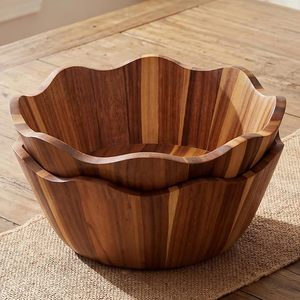
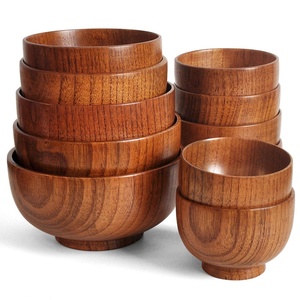
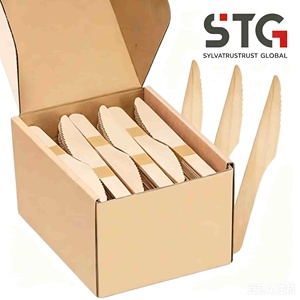
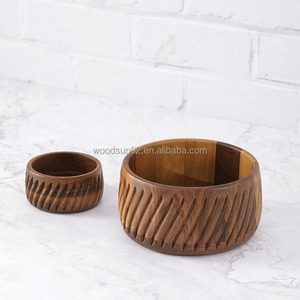

As single-use plastics face sweeping bans globally under regulations such as the EU Single-Use Plastics Directive and US state-level environmental mandates, commercial wooden tableware has shifted from a niche alternative to an industrial necessity for foodservice operators, hospitality groups, and international retailers.
Navigating the global supply chain for commercial wooden tableware requires a sophisticated understanding of raw timber selection, kiln-drying technology, thermal modification, food-contact surface safety, and international environmental compliance. Leading Chinese and Asian manufacturing hubs have invested heavily in automated CNC machining, eco-friendly lacquer application lines, and rigorous quality assurance protocols to deliver commercial-grade items capable of enduring rigorous food handling conditions.
The operational longevity and physical integrity of commercial wooden tableware depend primarily on timber density, grain structure, natural oil content, and dimensional stability. Below is a comparative technical analysis of key wood species utilized by top commercial tableware manufacturers.
| Wood Species | Janka Hardness (lbf) | Density (g/cm³) | Moisture Absorption | Commercial Best Use Case | Compliance Rating |
|---|---|---|---|---|---|
| Acacia Wood | 1,750 lbf | 0.72 g/cm³ | Low (< 9%) | Heavy-duty salad bowls, charger plates, steak platters | FDA, LFGB, EUDR Certified |
| Black Walnut | 1,010 lbf | 0.61 g/cm³ | Very Low | Luxury hotel serveware, premium presentation bowls | Food Grade Organic Standard |
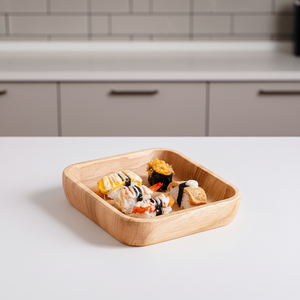
| Rubberwood | 960 lbf | 0.64 g/cm³ | Medium (Requires Sealing) | Stackable restaurant plates, square serving trays | FSC Replantation Eco-Grade |
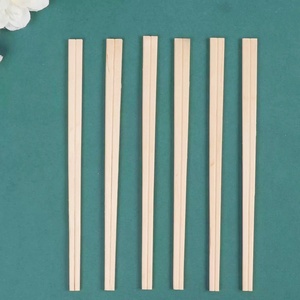
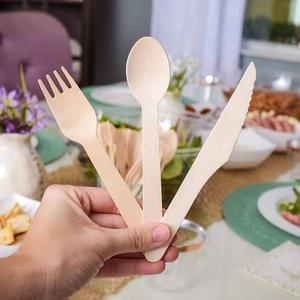
| Birch Wood | 1,260 lbf | 0.67 g/cm³ | N/A (Disposable Grade) | Disposable cutlery, chopsticks, single-use plates | 100% Biodegradable / Compostable |
| Teak Wood | 1,070 lbf | 0.66 g/cm³ | Extremely Low (High Oil Content) | Wet salad handling, high-humidity outdoor dining | FSC Certified Sustainable |
Key Technical Insight: To prevent structural cracking, warping, and mold growth, top-tier manufacturers utilize computerized vacuum kiln-drying processes. Timber intended for commercial tableware must achieve a balanced moisture content (MC) of strictly 8% to 11% prior to precision cutting and sealing. Items exported to arid climates (e.g., Middle East, North American interior zones) are calibrated toward 8% MC, whereas shipments destined for tropical regions are stabilized at 10-11% MC.
Understanding structural shifts in consumer behavior, ESG directives, and food handling standards empowers B2B buyers to future-proof their supply chains.
The European Union Deforestation Regulation (EUDR) mandates strict geolocation tracking for timber supply chains. Leading factories now integrate digital Chain of Custody (CoC) mapping from plantation harvest coordinates down to finished tableware packaging, guaranteeing total legal compliance and zero deforestation risk.
Traditional polyurethane lacquers are increasingly replaced by plant-derived oleoresins, organic beeswax formulations, and nano-silica hydrophobic coatings. These advanced bio-based finishes offer superior liquid resistance, prevent bacterial penetration into wood pores, and maintain compliance with strict LFGB Paragraph 30 & 31 food safety standards.
Commercial buyers are abandoning generic stock. Multi-axis CNC routing and high-speed fiber laser engraving enable fast turnaround times for custom logos, ergonomic rim profiles, and tailored volumetric capacities directly during mass production runs, even at standard MOQs.
When selecting a primary OEM/ODM manufacturer for commercial wooden tableware in China or Southeast Asian manufacturing zones, procurement officers must conduct multi-stage factory audits. Below is the operational quality control framework implemented by top-tier exporters.
Verified manufacturers hold active BSCI (Business Social Compliance Initiative), SMETA, or ISO 9001 certifications. This guarantees ethical labor practices, safe workshop ventilation (dust collection systems), and structured quality management systems.
Every batch of raw timber undergoes pinless electromagnetic moisture meter testing upon arrival, after kiln drying, and immediately before final oil dipping or lacquering to eliminate interior tension and prevent post-shipment splitting.
Random sample extractions are subjected to migration testing under FDA 21 CFR 175.300 and EU No 10/2011 protocols. Tests confirm zero formaldehydes, heavy metals, or toxic chemical leaching under acidic and hot liquid conditions.
Combining 30+ years of woodworking heritage with industrial automation, robust international logistics, and comprehensive OEM support.
From sustainable plantation wood sourcing (Acacia, Teak, Rubberwood, Birch) to direct sawmill processing, precision shaping, and export packaging — our fully integrated supply chain delivers competitive factory-direct pricing without intermediary markup.
Our in-house design team collaborates with global buyers to convert CAD drawings or concepts into physical prototypes within 7 to 10 days. We accommodate custom shapes, specialized depth requirements, laser branding, and retail-ready barcode packaging.
We maintain an AQL (Acceptable Quality Limit) 1.5 inspection standard for all commercial shipments. Every piece is hand-inspected for surface smoothness, edge beveling, color consistency, and structural integrity before container loading.
Consult directly with our commercial engineering team for full product catalogs, FSC documentation, and custom sample requests.
Detailed answers to technical, logistical, and compliance questions commonly raised by international B2B buyers and import specialists.
A: Solid natural wood items (Acacia, Walnut, Teak) are generally recommended for manual washing with mild detergent and quick towel drying to preserve their cellular structure. Exposure to high-temperature commercial dishwashers and harsh alkaline detergents can strip natural oils and induce warping. However, for high-turnover HORECA environments, we offer specially formulated food-grade polyurethane encapsulated coatings that significantly enhance moisture defense for repeated commercial washing cycles.
A: Standard export documentation includes FSC (Forest Stewardship Council) Chain of Custody certificates, Phytosanitary Certificates issued by government inspection bodies, Fumigation Certificates, Certificate of Origin (Form E, Form A, or RCEP where applicable), and third-party food contact test reports (FDA 21 CFR 175.300 / LFGB / EU No 10/2011) from accredited labs like SGS or TUV.
A: We enforce three mandatory measures: 1) Strict moisture control (8-11% MC) before packaging; 2) Vacuum-sealed polybag wrapping paired with food-grade silica gel desiccant packs inside inner cartons; 3) Moisture-resistant master carton corrugated board (5-ply or 7-ply) engineered to withstand maritime humidity fluctuations.
A: Stored in a cool, dry warehouse below 65% relative humidity and away from direct sunlight, disposable birch cutlery and plates have a shelf life exceeding 24 to 36 months without structural degradation, discoloration, or loss of mechanical strength.
A: For reusable wooden tableware (Acacia/Walnut bowls and plates), the standard OEM MOQ ranges from 500 to 1,000 pieces per SKU. For disposable birch items (chopsticks, spoons, forks), the MOQ is typically 50,000 to 100,000 pieces depending on outer paper sleeve printing requirements. Flexible pilot orders can be negotiated for established commercial buyers.
A: Yes. For laser-stamped logos, color depth is adjusted via laser wattage and focal speed. For printed paper packaging, silk-screened tableware branding, or colored outer rim accents, our production facility utilizes Pantone Matching System (PMS) color formulas with precision spectrophotometer verification.
A: Acacia wood possesses a significantly higher Janka hardness (approx. 1,750 lbf) compared to Rubberwood (approx. 960 lbf), along with natural water-resistant thyloses inside its grain. While Rubberwood offers excellent cost efficiency and a uniform light-colored tone for modern minimalist designs, Acacia is superior for heavy-duty commercial applications where scratch resistance and liquid exposure are paramount.
A: Initial custom OEM sample preparation requires 7–10 working days. Upon sample approval and deposit confirmation, standard mass production for a 20ft or 40ft high-cube container typically requires 30 to 45 days. Expedited production cycles are available for recurring contract orders.