
The global culinary tool storage sector is experiencing a structural migration away from traditional plastic slots and counter-cluttering knife blocks. Professional kitchens, premium cutlery brands, and retail procurement networks are increasingly specifying wall-mounted magnetic wooden knife strips and end-grain chopping board systems. These products harmonize hygiene compliance, knife edge preservation, and high-end wooden aesthetics. As primary suppliers and exporters based in China and Thailand, manufacturing facilities are leveraging advanced wood kilning technology, CNC routing precision, and automated magnetic flux alignment to supply North American, European, and Asia-Pacific markets.
Sourcing premium magnetic wooden kitchenware requires an in-depth evaluation of structural wood physics, magnetic retention dynamics, and global environmental mandates such as the EU Deforestation Regulation (EUDR) and the U.S. Lacey Act. This industry whitepaper outlines technical engineering parameters, material selection criteria, manufacturing standards, and future procurement paradigms for B2B buyers seeking dependable OEM/ODM manufacturing partners.
Explore our curated selection of export-ready Acacia, Teak, and Rubberwood kitchenware. Every item is manufactured under ISO 9001 and FSC-certified protocols, optimized for wholesale private labeling.
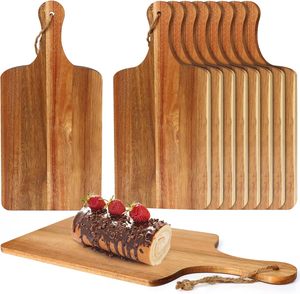
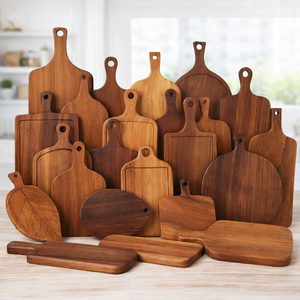
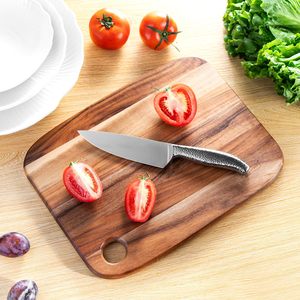
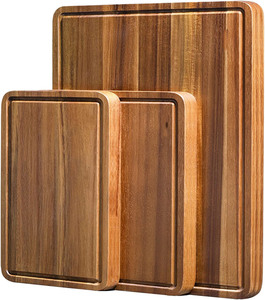
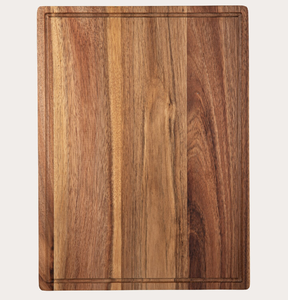
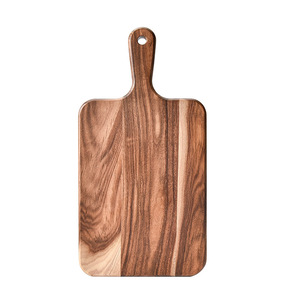
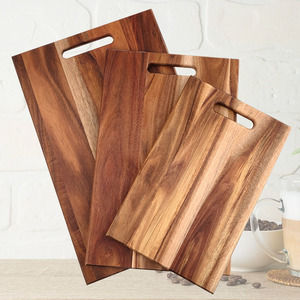
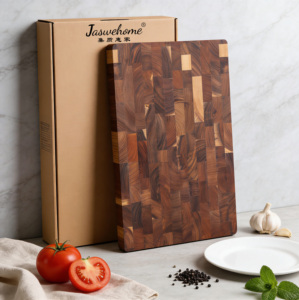
Manufacturing high-performance magnetic wooden knife bars involves more than embedding magnets into timber. It requires a precise balance between magnetic physics, structural joinery, and wood stabilization. Low-grade suppliers often suffer from magnet displacement, wood cracking due to internal tension, or insufficient pull force that causes heavy chef knives to slide off.
We utilize high-coercivity N52 Neodymium rare-earth magnets positioned in continuous linear arrays. This eliminates "dead zones" along the strip, ensuring seamless magnetic grip across the entire surface regardless of knife blade width or handle weight.
Magnets are inlaid from the reverse side using multi-axis CNC machines, leaving a solid 2.5mm to 3.0mm face layer of solid wood. This maintains the unblemished beauty of continuous grain patterns while preserving optimum magnetic flux penetration.
Raw timber undergoes automated steam kiln drying to stabilize moisture content between 8% and 12%. This prevents swelling, twisting, or checking in humid kitchen environments or dry air-conditioned spaces.
By combining structural routing with high-density polyurethane resin encapsulation, our internal magnet assemblies remain moisture-sealed and corrosion-resistant. This technical rigor ensures lifetime performance for commercial kitchens and premium home environments alike.
Backed by over 30 years of specialized manufacturing experience under our parent company K.T. Thai Local Products Co., Ltd. and expanded manufacturing footprints across Southeast Asia and China, we deliver high-capacity B2B manufacturing solutions designed for top-tier importers, Amazon FBA brand owners, and global retail chains.
We hold full FSC (Forest Stewardship Council) Chain-of-Custody certification. Every board of Acacia, Teak, and Rubberwood is harvested from legally managed replantation forests, ensuring seamless compliance with European and American environmental laws.
All surface finishes use pure, organic, food-safe mineral oils and natural beeswax compounds compliant with US FDA 21 CFR 178.3620 and EU Regulation (EC) No 1935/2004 for food contact materials.
From laser-engraved brand logos, custom mounting templates, and magnetic strength tuning to customized eco-friendly retail packaging, we offer full private-label customization to help you scale your product line.
| Performance Metrics | NaTree Export Standard | Standard OEM Manufacturer |
|---|---|---|
| Magnet Grade | N52 High-Density Neodymium (NdFeB) | N35 or Ferrite Magnets (Weak Grip) |
| Timber Drying Protocol | Steam Kiln Drying (8% - 12% Moisture) | Air Dried (15% - 20% MC, Prone to Warping) |
| Surface Finish Safety | FDA & EU Compliant Mineral Oil / Beeswax | Uncertified Industrial Varnish / Lacquer |
| Wood Supply Traceability | 100% FSC Chain-of-Custody Certified | Non-Traceable Local Timber Sources |
| Mounting Hardware Included | Heavy-Duty Wall Anchors + Template + 3M Tape Option | Basic Screws without Mounting Template |
The magnetic wooden kitchenware segment is evolving rapidly, driven by shifts in interior aesthetics, urban residential spatial constraints, and strict international environmental standards. Procurement directors must align their product development pipelines with key emerging market trends:
While traditional strips rely on wall drilling, counter-top double-sided magnetic wood boards featuring heavy stainless steel or end-grain wood bases are surging in popularity among renters and high-end residential kitchens.
Discerning buyers are moving beyond single-wood construction. Combining contrasting timber species—such as Dark Walnut with rich Golden Acacia or Light Rubberwood—creates premium visual accents highly favored in modern interior design.
Modern product designs incorporate dual-mounting mechanisms: heavy-duty countersunk screw keyholes for masonry/drywall alongside industrial 3M VHB adhesive backings for tile and glass splashbacks.
Global supply chain volatility, coupled with stricter customs documentation, requires procurement managers to reassess supplier evaluation frameworks. When sourcing magnetic wooden knife strips and boards from Asian suppliers, consider these strategic imperatives:
1. Navigating EUDR (EU Deforestation Regulation) Compliance: Beginning in 2025, importers entering the European market must provide precise geolocation data for the plot of land where timber was harvested, along with verifiable proof that the wood was not sourced from deforested land. Partnering with fully certified FSC supply chains mitigates the risk of customs seizures and administrative penalties.
2. Total Cost of Quality (TCQ) vs. Unit Price: Low unit cost quotes often mask structural flaws, such as un-seasoned wood that cracks during ocean transit due to container moisture fluctuations. Importers should mandate third-party pre-shipment inspections (e.g., SGS, TUV) covering moisture content checks, pull-force testing (minimum 800g vertical hold per magnet pocket), and drop tests on packaged units.
3. Tariff Diversification & Multi-Origin Production: To insulate against geopolitical trade shifts and regional tariffs, leading suppliers offer flexible production routing between factories in China and Southeast Asia (Thailand), maintaining uniform quality control protocols and shared tooling standards.
Gain a competitive advantage in your retail or wholesale market with high-grade, FSC-certified magnetic wooden knife strips and handcrafted cutting boards. Request our comprehensive B2B product catalog and factory quote today.