
Direct factory supply featuring FSC-certified wood species, precision-milled roll-top mechanisms, non-toxic food-safe oil treatments, and custom OEM/ODM packaging options.
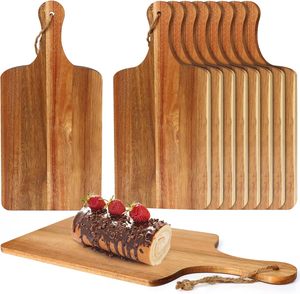
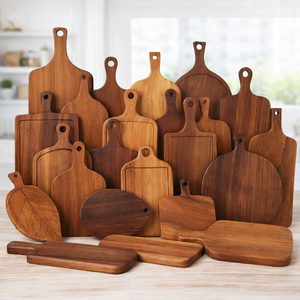
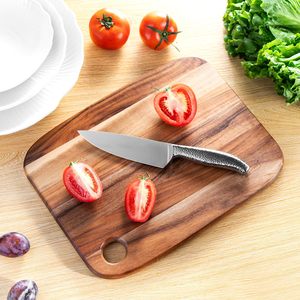
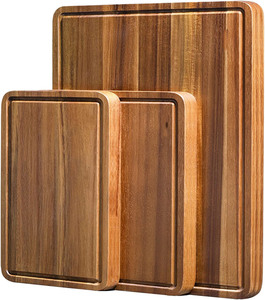
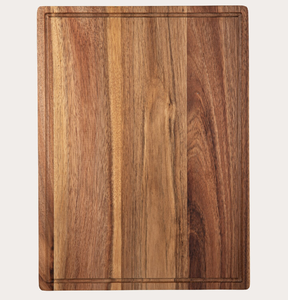
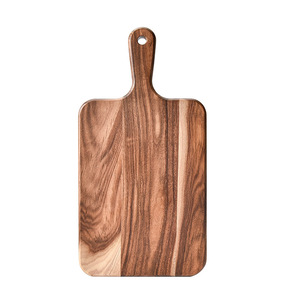
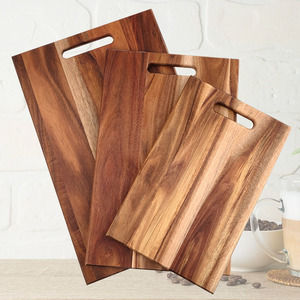
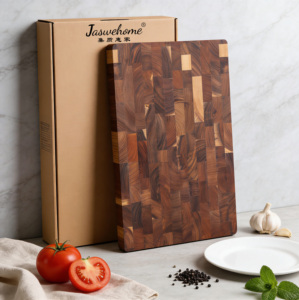
In the global homeware market, the Roll Top Wooden Bread Box (also referred to as a bread bin) represents a harmonious balance between functional micro-climate humidity control and fine woodworking craftsmanship. Professional B2B procurement officers evaluating China and Southeast Asian factories must look beyond surface aesthetics to audit structural mechanics, track friction coefficient, and timber stability parameters.
The defining engineering component of a roll-top bread box is its tambour door system. A high-quality tambour door consists of narrow, precision-milled timber slats adhered securely to a durable, heavy-duty canvas backing. Factory quality control must focus on:
Technical Benchmark for Procurement: A high-standard roll-top mechanism should undergo dynamic stress testing exceeding 10,000 continuous opening/closing cycles under 85% relative humidity without slat binding or track wall splintering.
Unlike airtight plastic or metal containers, solid wood offers natural breathable properties. High-end wooden bread boxes incorporate concealed rear ventilation micro-slits or engineered door gaps. This structural design permits minimal air exchange: retaining just enough ambient moisture to keep artisan loaves soft while preventing condensation build-up that encourages mold sporage (*Aspergillus* and *Penicillium*).
Selecting the appropriate timber species directly dictates product longevity, retail price positioning, and environmental compliance (such as EUDR and US Lacey Act adherence). Below is an industrial comparative audit of the primary wood species utilized by top manufacturers:
| Wood Species | Janka Hardness (lbf) | Moisture Content (Kiln-Dried) | Natural Oil / Resin Content | Primary Commercial Advantage |
|---|---|---|---|---|
| Acacia Wood | 1,750 lbf (High) | 8% – 10% | Medium-High | Rich contrasting grain patterns, exceptional scratch resistance, premium aesthetic appeal. |
| Teak Wood (Tectona grandis) | 1,070 lbf (Medium) | 8% – 11% | Extremely High (Tectoqunion) | Inherent water resistance, natural pest resistance, premium luxury table positioning. |
| Rubberwood (Parawood) | 960 lbf (Moderate) | 9% – 12% | Low | Cost-effective, highly uniform grain structure, excellent for painted or stained finishes. |
| Olive Wood | 1,520 lbf (High) | 10% – 12% | High | Exotic swirling visual grain, high density, ideal for boutique artisanal cutting boards. |
Kiln Drying Standardization: Professional bread box factories utilize automated vacuum kiln dryers to reduce green lumber moisture from over 50% down to the critical target of 8% to 12% MC. This process locks dimensional stability, preventing seasonal warping, cracking, or swelling when products are shipped across different climate zones worldwide.
Strategic insights for B2B buyers seeking to optimize product lines, capture eco-conscious consumer segments, and increase margin throughput.
European Union Deforestation Regulation (EUDR) requires complete supply chain geolocation transparency. Tier-1 exporters are implementing blockchain-traceable timber passports ensuring zero deforestation compliance.
Modern consumers favor space-saving kitchenware. Trend-setting bread boxes now integrate removable flat-top cutting boards, crumb-catching grooves, or built-in knife slots directly into the cabinet top housing.
Shifting away from chemical lacquers, premium buyers demand cold-pressed food-grade mineral oils, beeswax emulsions, or organic linseed oils compliant with FDA 21 CFR 178.3620 and EU Regulation No. 1935/2004.
When evaluating global wooden kitchenware manufacturing hubs, NaTree (K.T. Thai Local Products Co., Ltd.) brings over 30 years of specialized experience operating out of Chachoengsao, Thailand, with full supply chain integration.
100% of our Acacia, Teak, and Rubberwood is harvested from legally managed replantation forests, shielding global brand partners from legal risks under timber trafficking enforcement acts.
From initial lumber grading and automated vacuum kiln-drying to 5-axis CNC machining, hand-sanding, and food-grade oil dipping, every batch undergoes 100% piece-by-piece inspection before packing.
We offer precision laser engraving, hot-stamp branding, customized drop-ship retail color boxes, and barcode labelling tailored for Amazon FBA, high-end department stores, and catalog importers.
Detailed technical answers addressing common compliance, MOQ, quality control, and shipping inquiries.
Request factory-direct wholesale pricing, order sample prototypes, or discuss custom OEM specs with our engineering team.
Get a Quote