FSC CertifiedFood Grade Safe30+ Years Manufacturing Experience
Global B2B Manufacturing & Export Directory
China Best Wooden Ottoman Serving Tray Supplier & Suppliers serving Osaka
Technical Sourcing Whitepaper: Engineering High-Density Hardwood Ottoman Trays, Food-Safe Lacquer Compliance, and Direct Freight Logistics to Kansai Port Terminals
Precision-Crafted Wooden Ottoman & Serving Boards
Direct Factory Wholesale Catalog Certified for Commercial Food Service, Luxury Hotel Suites, and Retail Sourcing in Osaka & Kansai Regional Markets
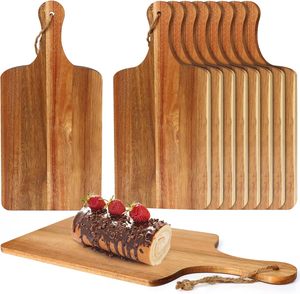
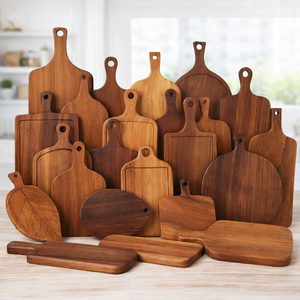
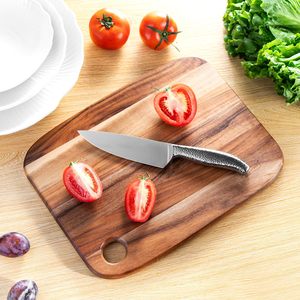
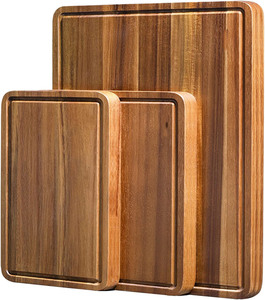
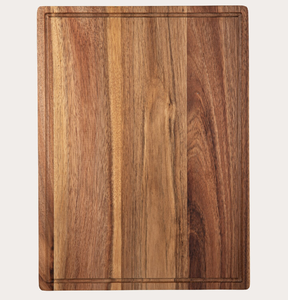
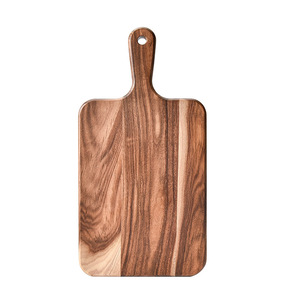
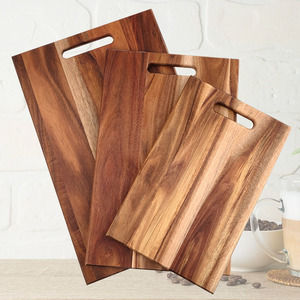
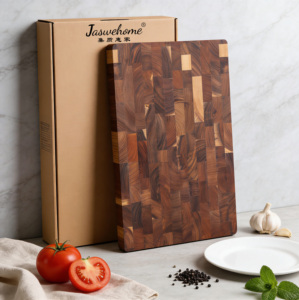
Acacia Wood Cutting Board, Wooden Chopping Board with Handles Large Serving Board Wooden Kitchen Cutting Board Bulk
The global demand for high-end wooden ottoman serving trays has witnessed a paradigm shift toward multi-functional tabletop accessories that bridge the gap between luxurious home decor and heavy-duty hospitality service. As a premier Chinese manufacturer with over 30 years of specialized woodworking heritage, our production lines are fine-tuned to solve the persistent engineering challenges faced by international procurement managers: dimensional warping, joint separation, finish degradation under high-humidity sea freight, and compliance with strict regional food contact safety laws.
Sourcing premium woodenware for the Japanese market—specifically serving commercial hubs like Osaka, Kobe, and Kyoto—requires acute technical understanding of localized climatic fluctuations. Osaka experiences dramatic seasonal shifts, transitioning from sub-tropical summer humidity (RH above 80%) to dry, air-conditioned or radiant floor-heated indoor winters (RH below 35%). Standard unseasoned timber subjected to these extremes will inevitably suffer from radial contraction and stress cracking.
Information Gain Insight: Our enterprise utilizes high-frequency vacuum kiln-drying combined with thermal modification technology. By reducing the Equilibrium Moisture Content (EMC) of our Acacia, Teak, and Rubberwood to a precise 8% - 10%, we guarantee zero structural deflection during transit through the East China Sea to the Port of Osaka.
Wood Species Metallurgy & Structural Comparison
Selecting the appropriate timber substrate is critical for commercial buyer ROI. Below is an engineering comparison matrix evaluating the primary wood species used in our production facilities:
Osaka, as the culinary capital of Japan and a thriving commercial centerpiece of the Kansai Economic Region, demands serving equipment that performs under relentless operational pressure while honoring classic Japanese minimal aesthetics (Wabi-Sabi and Kanketsu). Sourcing agents representing Osaka-based buyers must account for specific localized use cases:
Luxury Hotels in Umeda & Namba
Over-sized Acacia Ottoman trays with raised 2.5-inch lip bevels. Designed to fit securely over plush leather fabric ottomans in presidential suites, serving as stable tea tables and late-night cocktail platforms.
Traditional Ryokans in Arima Onsen
Low-profile, non-reflective matte teak serving trays configured for Kaiseki Multi-Course dining. Features recessed finger joints to allow seamless stackability in narrow service corridors.
Modern Osaka Urban Condominiums
Space-saving compact multi-tier ottoman boards used in high-density apartments. Converts soft living room ottomans into laptop workstations or breakfast-in-bed trays instantly.
Ergonomic Joinery & Mechanical Weight Distribution
Commercial ottoman trays are subjected to asymmetric loads, particularly when carrying heavy cast-iron teapot sets (Tetsubin) or full food service arrangements up to 15 kg. Our engineering team replaces cheap pin-and-glue joints with **solid mortise-and-tenon or dovetail corner lock joints**, reinforced with food-grade epoxy resin. Handles are integrated directly into the lateral sidewalls using precision CNC routing, eliminating weak points associated with screwed-on metal hardware that loosens over repetitive washing cycles.
3. Strict Regulatory Architecture: Clearing Japanese Customs & Food Sanitation Law
Importing wooden serving trays and kitchenware into Japan requires meticulous adherence to national standards enforced by the **Ministry of Health, Labour and Welfare (MHLW)** under the **Japan Food Sanitation Law (Law No. 233)**. Failure to present verifiable laboratory chemical migration test reports will result in container quarantine or mandatory destruction at Osaka Customs.
Compliance Guarantee for Osaka Buyers: All products exported from our factory undergo rigorous third-party testing (SGS/TÜV Rheinland) verifying zero heavy metal leaching (Lead, Cadmium), zero formaldehyde release (< 0.1 mg/L), and complete absence of non-approved synthetic surface finishes.
Comprehensive Regulatory Matrix
Japan Food Sanitation Law Specifications: Soluble substance testing under 4% Acetic Acid extraction, Potassium Permanganate consumption standards, and heavy metal limits.
FSC (Forest Stewardship Council) Chain-of-Custody: Full timber origin verification guaranteeing 100% legal harvest from sustainable replantation forests, ensuring seamless compliance with Japan's Clean Wood Act.
Phytosanitary Certification: Mandatory kiln heat-treatment (HT) at core temperature 56°C for 30 minutes, certified by China Inspection and Quarantine (CIQ) for immediate release at Port of Osaka Nanko Container Terminal.
As Osaka prepares for global events and continuous tourism expansion, hospitality and residential buying trends are pivoting toward sustainable luxury. Key shifts observed in current B2B order pipelines serving the Kansai sector include:
Bio-Based Organic Surface Finishes
Increasing rejection of thick plastic-like polyurethane coatings. Preference has shifted to cold-pressed linseed oils, organic carnauba wax, and traditional natural urge lacquer finishes that preserve genuine wood texture.
End-Grain Construction Dynamics
Growing preference for heavy end-grain Ottoman blocks that double as table centerpieces. End-grain alignment protects high-end Japanese chef knives while offering distinct mosaic aesthetics preferred by upscale steakhouses.
Integrated Smart Storage Elements
B2B requests for customized Ottoman trays featuring hidden magnetic coaster slots, removable silicone dipping bowl cutouts, and modular divider inserts for modern breakfast service.
Why Partner With Our Manufacturing Hub?
Over 30 years of excellence serving global importers, OEM brands, and hospitality procurement teams across Japan, North America, and Europe.
30,000+ sqm Automated Production Plant: High-volume output capacity.
State-of-the-Art Vacuum Kiln Systems: Precision moisture control under 8-10%.
5. Frequently Asked Questions by Osaka & Kansai Procurement Officers
Q1: How do you prevent wooden ottoman trays from warping during container transit to Port of Osaka?
Our factory implements a multi-layer stabilization protocol. First, timber is kiln-dried down to 8%-10% EMC. Second, individual pieces are sealed in moisture-barrier PE shrink wrapping with silica desiccant bags inside master cartons. Finally, containers are lined with thermal insulation blankets to mitigate humidity spikes during transit across the East China Sea.
Q2: What is the typical production and shipping lead time for custom OEM orders bound for Osaka?
For standard customized B2B orders (1,000 to 5,000 units), standard production lead time is 25 to 30 days. Fast-track ocean shipping from our nearest port to Port of Osaka (Nanko Terminal) takes only 4 to 6 days. Express air freight for rapid prototyping or urgent hospitality openings takes 48 to 72 hours.
Q3: Do your wooden products comply with Japan's Food Sanitation Law (Law No. 233)?
Yes, 100%. We provide official SGS or TÜV test certificates confirming that all mineral oils, beeswax, and food-grade lacquers used on our trays pass MHLW heavy metal migration limits, formaldehyde emission tests, and synthetic solvent residue regulations.
Q4: Can we request custom JIS (Japanese Industrial Standards) dimensions for Ottoman serving trays?
Absolutely. Our automated CNC routing machines can be programmed to manufacture trays conforming exactly to Japanese furniture modularity (e.g., matching standard Tatami proportions, low-profile Chabudai height ratios, or modern Japanese modular sofa ottoman dimensions).
Q5: What are your Minimum Order Quantities (MOQ) for custom engraved logo trays?
Our standard MOQ for custom laser-etched or hot-stamped logo production is 500 units per design. For boutique hotel projects or trial market launches in Osaka, we offer flexible low-MOQ starter packages (down to 200 units) upon consultation with our sales director.
Q6: How does Acacia wood compare to Teak and Rubberwood for commercial Osaka Izakaya use?
Acacia offers a higher Janka hardness (1,750 lbf) than Teak (1,070 lbf) and Rubberwood (960 lbf), making it superior for resisting knife scratches, heavy plate impacts, and frequent industrial handling in high-turnover Izakayas. Teak remains the premium choice for luxury hotel suites due to its natural oil water-resistance, while Rubberwood provides the most economic option for mass retail distribution.
Ready to Elevate Your Woodenware Supply Chain in Osaka?
Partner with China's leading FSC-certified manufacturer for uncompromised quality, competitive factory direct pricing, and dedicated regional support.