
Precision-engineered, food-grade safe Acacia and hardwood items optimized for the Scandinavian commercial and consumer markets.
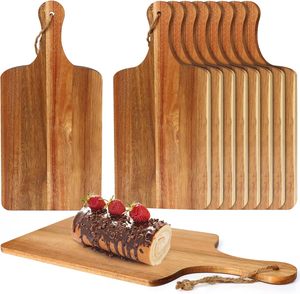
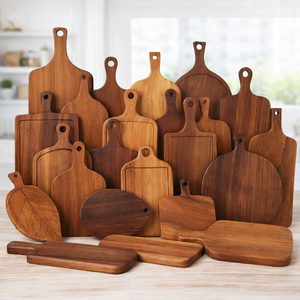
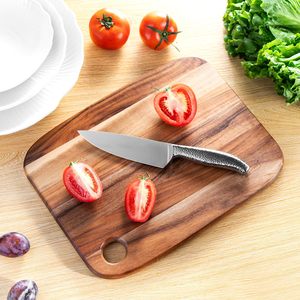
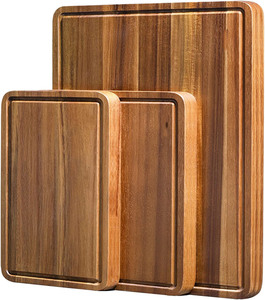
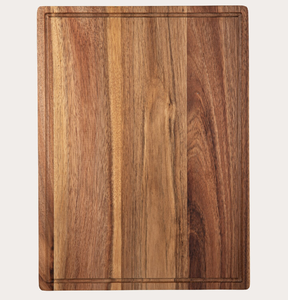
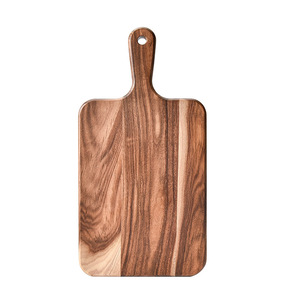
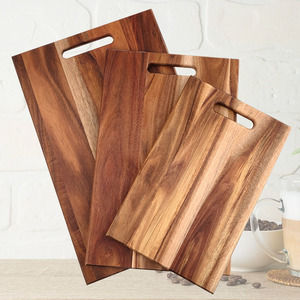
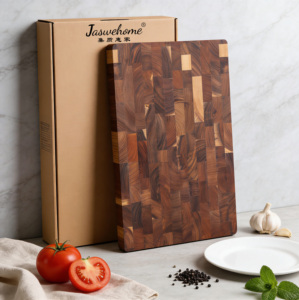
Norway represents one of the world's most environmentally conscious procurement markets for kitchenware, tableware, and single-use/reusable food delivery accessories. Driven by strict Scandinavian ecological mandates, the implementation of EU Directive 2019/904 on Single-Use Plastics (SUP), and national enforcement via the Norwegian Environment Agency (Miljødirektoratet), business enterprises across Oslo, Bergen, Trondheim, and Stavanger are rapidly phasing out synthetic cutleries, melamine trays, and non-certified bamboo imports.
As a established manufacturer with 30 years of operational experience—headquartered under NaTree (K.T. Thai Local Products Co., Ltd.)—we provide direct factory supply chains tailored specifically to Norwegian import parameters. Sourcing direct from certified Thai factories gives Nordic buyers a distinctive structural advantage: access to sustainably managed Acacia, Teak, and Rubberwood plantations that offer far superior mechanical durability, natural water resistance, and luxury grain aesthetics compared to fast-grown, high-resin alternatives.
Key Takeaway for Norwegian Procurement Managers: Under Norway's Transparency Act (Åpenhetsloven), Norwegian importers are legally bound to conduct due diligence regarding human rights and decent working conditions throughout their supply chains. NaTree's FSC-certified facilities in Thailand provide total supply chain traceability, fair labor auditing, and 100% compliance with EUDR (EU Deforestation Regulation) guidelines.
Our eco-friendly wooden cutlery, salad bowls, serving platters, and end-grain chopping blocks are engineered for diverse high-demand Norwegian environments:
Restaurateurs in Norway require serving boards and utensils that withstand aggressive dishwashing protocols while presenting a rustic, natural Nordic aesthetic for wild game, cured salmon (Gravlaks), and artisanal cheeses.
Norway's world-leading salmon export and coastal fish processing industry utilizes our thick end-grain Acacia chopping blocks due to their high natural oil content and superior resistance to moisture uptake and cross-bacterial contamination.
The iconic Norwegian cabin culture (Hytte-kultur) creates massive retail demand for durable, beautiful wooden cutlery, salad bowls, and thermal-tolerant wooden serving sets used for outdoor dining and mountain retreats.
When Norwegian importers evaluate wooden tableware and cutlery exporters, material selection plays a paramount role in product longevity, user safety, and regulatory approval by Mattilsynet (Norwegian Food Safety Authority). Below is an engineering comparison of primary raw materials imported into Norway for food contact applications.
| Material Metric | Thai Acacia Wood (NaTree Standard) | Thai Plantation Teak | Commercial Bamboo (Imported) | Conventional Softwood (Pine/Birch) |
|---|---|---|---|---|
| Janka Hardness Rating | 1,750 lbf (Very High) | 1,070 lbf (Medium-High) | 1,300-1,400 lbf (Brittle) | 380-660 lbf (Low) |
| Moisture Absorption Rate | < 8.5% (High Natural Lipids) | < 7.0% (Rich Tectochinons) | > 14.0% (Porous Fibers) | > 18.0% (Rapid Swelling) |
| Winter Heating Dimensional Stability | Excellent (Minimal Shrinkage) | Superior (Zero Warping) | Poor (Prone to Splitting) | Poor (High Cup & Warp) |
| EUDR & FSC Certification Status | 100% Plantation Traceable | 100% Plantation Traceable | Variable / Hard to Audit | Varies by Source Region |
| Food-Grade Hygiene Performance | Natural Antibacterial Tannins | Natural Resistance to Mold | Requires High Glue Content | Absorbs Food Juices Quickly |
A critical engineering challenge unique to exporting wooden products to Norway is the country’s extreme seasonal humidity differential. Norwegian homes and commercial venues rely heavily on central electric heating and heat pumps during long winters, causing indoor relative humidity (RH) to drop as low as 15-20%. Conventional wooden kitchenware manufactured in humid tropical zones with a standard 14-18% equilibrium moisture content (EMC) will rapidly lose moisture in Oslo or Tromsø, resulting in catastrophic warping, cracking, and joint failure.
At NaTree's specialized drying facility in Thailand, all timber destined for Scandinavia undergoes a rigorous computerized vacuum kiln-drying process that reduces internal EMC down to a tight 8% to 10% tolerance. Furthermore, our boards are sealed with non-toxic, food-grade mineral oils and natural beeswax that lock in fiber stability and ensure zero structural degradation during harsh Nordic winters.
With over three decades of specialized woodcrafting expertise operating as K.T. Thai Local Products Co., Ltd., our enterprise facility in Chachoengsao, Thailand, acts as a primary original equipment manufacturer (OEM) and original design manufacturer (ODM) for leading European tableware brands, supermarket chains, and commercial food service distributors.
We maintain certified FSC Chain-of-Custody (CoC) protocols. Every cubic meter of Acacia, Teak, and Rubberwood used in our factory originates from legally verified, renewable replantation forests, eliminating illegal logging risks for EU/EEA importers.
Our production floor is equipped with 5-axis CNC routing machines, automatic shaping lathes, and high-precision laser engravers capable of executing custom brand logos, complex geometric silhouettes, and ergonomic juice grooves.
We manage complete export documentation including Phytosanitary Certificates, Certificates of Origin (Form E/Form D), Bill of Lading, and custom clearance packaging optimized for container shipping straight to Oslo Havn or Port of Drammen.
Elevate your commercial product offering in Norway with sustainable, high-durability Acacia & Teak kitchenware direct from our factory floor. Contact our export engineering team today for instant quotes, technical datasheets, and factory-direct samples.