
Explore our export-grade handcrafted woodenware, engineered for dimensional stability, food-safe compliance, and refined aesthetic appeal across Tokyo’s premier commercial markets.
A comprehensive analysis of material engineering, Japanese Food Sanitation Law compliance, and localized aesthetic integration for high-volume importers, luxury department stores, and hospitality chains.
Navigating the Japanese market requires rigid technical standards. The Greater Tokyo Area experiences severe seasonal relative humidity swings—from the oppressive dampness of the summer Tsuyu rainy season (R.H. exceeding 80%) to the artificially dry indoor environments generated by winter heating systems (R.H. dropping below 30%). Unconditioned wooden server utensils imported without strict kiln-drying calibration are prone to radial cracking, lateral cupping, and fiber delamination.
As an established OEM/ODM exporter, NaTree (K.T. Thai Local Products Co., Ltd.) employs a dual-stage computer-controlled kiln drying process. We stabilize our raw Acacia (Acacia mangium / arabica) and Teak (Tectona grandis) timber to an exact 8%–10% equilibrium moisture content (EMC). This precise thermal treatment guarantees structural integrity, preventing warpage when salad servers transition from commercial kitchen washing environments to dry air-conditioned dining rooms in Tokyo’s upscale venues.
Tableware destined for Tokyo’s retail counters and commercial dining establishments must strictly comply with the Japan Food Sanitation Law (Law No. 233) enforced by the Ministry of Health, Labour and Welfare (MHLW). Standard industrial lacquers containing heavy metals, volatile organic compounds (VOCs), or traces of formaldehyde are subject to immediate customs seizure and border rejection.
Our manufacturing process utilizes strictly certified food-contact safe finishes. We offer organic plant-based oil coatings (such as double-boiled cold-pressed linseed oil combined with refined beeswax) as well as advanced food-grade polyurethane sealants compliant with JFSL Specifications and Standards for Foods, Food Additives, etc. (Notification No. 370). Every production batch bound for Yokohama Port or Tokyo Port undergoes rigorous migration testing for heavy metals, synthetic colors, and phenol leaching.
Tokyo’s culinary landscape demands an elevated tactile experience. Whether utilized in high-end fusion restaurants in Roppongi, traditional Ryokan retreats adjacent to Tokyo, or lifestyle boutiques in Omotesando, handcrafted salad servers serve as a bridge between the culinary presentation and the guest.
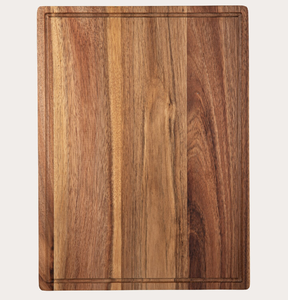
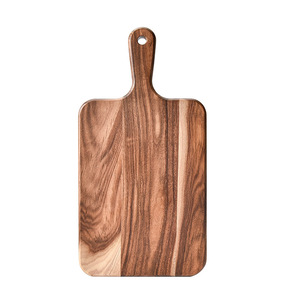
Our ODM design studio focuses on hand-carved weight distribution, tapering handle geometry for seamless single-handed tossing, and micro-sanding down to a 400-grit ultra-smooth tactile finish. Our Acacia salad hands and long-handled server sets feature deep, rich grain variations that complement both classic Japanese ceramic table settings (Wabi-sabi aesthetic) and minimalist Scandinavian-Japanese (Japandi) interior design trends prevalent across modern Tokyo apartments.
"Sourcing sustainable wooden servers for Tokyo’s discerning retail market is no longer just about aesthetics; it requires an integrated chain of custody. By pairing FSC-certified timber harvesting with zero-VOC plant oil polymerizations and micro-laser custom OEM branding, international brand owners can achieve up to a 34% increase in sell-through rates within premium Japanese lifestyle department stores."
Understanding the exact retail, hospitality, and residential environments where handcrafted wooden salad servers provide maximum commercial value.
Scenario: Premium lifestyle gift box sets targeted at high-net-worth consumers purchasing wedding gifts (Bridal Uchiai) or seasonal corporate presents (Oseibo and Ochugen).
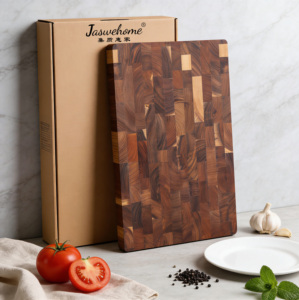
OEM Solution: Bespoke sets containing 1x Acacia Salad Fork, 1x Solid Server Spoon, and 1x Matching End-Grain Serving Bowl. Packed in custom FSC paper presentation boxes or paulownia (Kiri) wood boxes with silver foil-stamped Japanese branding and velvet inserts.
Scenario: High-volume, heavy-duty commercial service in upscale farm-to-table western fusion restaurants, luxury hotel buffets, and private dining rooms.
OEM Solution: Extra-long 32cm Teak wood salad servers featuring reinforced head proportions, non-slip thumb indents, and commercial-grade waterproof food-safe sealants capable of enduring frequent wash cycles without stripping natural oils.
Scenario: Eco-conscious consumers in residential districts such as Setagaya, Meguro, and Shibuya seeking plastic-free, artisanal home kitchen accessories.
OEM Solution: Compact 20cm "Salad Hands" (claw-style servers) crafted from highly figured Acacia wood. Optimized for small-footprint Tokyo kitchen storage, equipped with magnetic storage wall mounts or integrated hanging leather straps.
Technical metrics evaluated for commercial procurement teams selecting material bases for OEM salad server production.
| Timber Species | Janka Hardness Rating | Equilibrium Moisture Target | Natural Water Resistance | Ideal Tokyo Commercial Application |
|---|---|---|---|---|
| Acacia (Acacia mangium) | 1,750 lbf (Hard) | 8% – 10% | High (Rich in natural tannins) | Luxury Retail Gift Sets, End-Grain Server Blocks, Everyday Dining |
| Thai Teak (Tectona grandis) | 1,070 lbf (Medium-Hard) | 8% – 10% | Exceptional (High natural silica & oil content) | High-End Hospitality, Commercial Kitchens, Heavy Wash Environment |
| Rubberwood (Hevea brasiliensis) | 960 lbf (Medium) | 9% – 11% | Moderate (Requires food-safe topcoat) | Value-Oriented Mass Retail, Promotional Corporate Giveaways |
| Olive Wood (Olea europaea) | 2,700 lbf (Very Hard) | 8% – 10% | High (Dense grain structure) | Artisanal Gourmet Boutiques, Specialty Charcuterie & Salad Sets |
Strategic insights for procurement directors aligning product lines with Japanese consumer sentiment and legal frameworks.
Following the enforcement of Japan's Plastic Resource Circulation Act, major hospitality groups and retail chains in Tokyo are actively phasing out single-use and multi-use synthetic tableware. Sustainable wooden salad servers, spoon-fork sets, and bowls derived from FSC-certified replantation forests offer an immediate, fully compliant replacement that aligns with corporate ESG benchmarks.
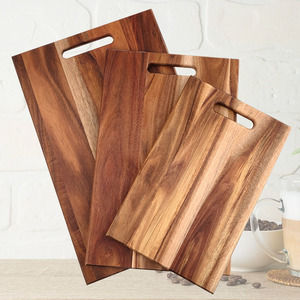
Modern Japanese home interior trends heavily favor clean, minimalist organic textures. The deep contrast of Acacia heartwood combined with light sapwood streaks creates a distinctive visual identity that appeals directly to Tokyo millennials and design-conscious homeowners seeking warmth in urban concrete condominium spaces.
Private label brands targeting the Japanese market require crisp, non-obtrusive branding. Our factory utilizes high-resolution CO2 laser engravers capable of executing intricate Japanese kanji logos, brand crests, or batch tracking serial numbers onto handle bases with sub-millimeter precision, without scorching the surrounding grain.
Over three decades of specialized exporter experience serving global B2B procurement leaders.
We maintain full Chain-of-Custody (CoC) certification. Every log of Acacia, Teak, and Rubberwood processed in our facility is fully traceable to responsibly managed replantation forests, ensuring seamless compliance with European Union Deforestation Regulation (EUDR) and Japan’s Clean Wood Act.
Operating from our expansive 18,000 m² production facility in Chachoengsao, Thailand, our facility houses 50+ multi-axis CNC shaping machines, automated sanding lines, and industrial drying kilns capable of producing over 300,000 wooden tableware pieces monthly.
Quality control is executed at five distinct milestones: Raw log grading, post-kiln moisture verification, precision shape calibration, surface micro-sanding inspection, and final food-grade oil coat curing. Zero-defect tolerance ensures low return rates for importers.
Addressing common technical, legal, and logistical inquiries regarding custom wooden tableware import.
Our standard MOQ for custom OEM handcrafted salad servers is 500 sets per design. For standardized catalog models featuring custom logo laser etching and tailored packaging, we can accommodate trial production orders starting at 300 sets to support initial market testing in Japanese retail outlets.
All shipments undergo strict pre-shipment desiccation protocols. Products are kiln-dried to 8-10% moisture content, sealed in food-grade polyethylene moisture-barrier sleeves containing industrial silica desiccants, and packed into heavy-duty corrugated cartons designed to withstand humidity in maritime container transport between Bangkok/Laem Chabang Port and Tokyo/Yokohama Ports.
Natural wood is inherently porous and generally not recommended for high-temperature commercial dishwashers. However, for commercial hospitality clients in Tokyo, we offer an advanced food-safe polyurethane dip finish that withstands light commercial washing cycles up to 65°C without stripping the protective seal or causing fiber expansion.
Yes. As an established exporter based in Thailand, we provide complete Certificate of Origin (Form JTEPA or Form RCEP), Phytosanitary Certificates, FSC Chain-of-Custody statements, and full commercial invoice documentation allowing Japanese importers to benefit from preferential tariff rates upon arrival.
Connect directly with our engineering and export team. Receive detailed technical specifications, custom CAD sampling options, and competitive wholesale pricing within 24 hours.