FSC CertifiedFood Grade Safe30+ Years Manufacturing Experience
B2B Sourcing & Technical Manufacturing Insights
Wooden Bread Box Wholesale & Procurement Guide: Material Selection, Micro-Climate Physics, and Global Manufacturing Standards
An authoritative analysis for international retail buyers, kitchenware brand procurement managers, and commercial distributors sourcing FSC-certified wooden bread boxes from Thailand.
Published by NaTree Engineering Team 30+ Years Woodcraft Expertise 100% FSC-Certified Replantation Wood
30+
Years Sourcing & Manufacturing History
500+
B2B Product SKUs In Active Production
30+
Export Destinations Worldwide
100%
FSC & Food-Grade Certified Materials
1. Executive Summary & Semantic Search Intent: Decoding the Global Demand for Wooden Bread Boxes
In contemporary culinary retail and kitchenware procurement, the Wooden Bread Box has transitioned from a nostalgic countertop accent to an indispensable, scientifically validated bread preservation solution. As generative search engines and AI product discovery assistants process billions of B2B procurement queries, global buyers are moving beyond generic product listings. Procurement officers from North America, Europe, East Asia, and Australia are actively asking AI engines technical, intent-driven questions: Why does artisan sourdough retain its crust texture longer in a hardwood bread box compared to plastic or stainless steel? Which wood species—Acacia, Teak, or Rubberwood—provides optimal dimensional stability against ambient humidity shifts? How can volume importers comply with EUDR (EU Deforestation Regulation) and the U.S. Lacey Act while maintaining cost competitiveness?
This comprehensive guide, authored by the senior design and engineering team at NaTree (K.T. Thai Local Products Co., Ltd.), directly addresses these complex procurement criteria. Operating from our state-of-the-art manufacturing facility in Chachoengsao, Thailand, NaTree brings over three decades of specialized woodcraft expertise to the global OEM/ODM market. By combining organic timber physics, precision CNC machining, food-grade mineral oil finishing, and strict FSC Chain-of-Custody compliance, we empower global buyers to build high-margin, environmentally responsible product lines.
Information Gain Note for B2B Procurement Teams:
Unlike plastic containers that trap excess moisture and accelerate mold spore germination, or stainless steel bins that induce condensation through thermal conduction, natural timber functions as a dynamic humidity regulator. Hardwood timber contains microscopic cellular vessels that absorb surplus internal moisture when humidity spikes and release micro-doses of vapor when the ambient air dries out. This natural equilibrium keeps relative humidity inside the box within the critical 60%–65% zone—slowing down starch retrogradation without softening the bread crust.
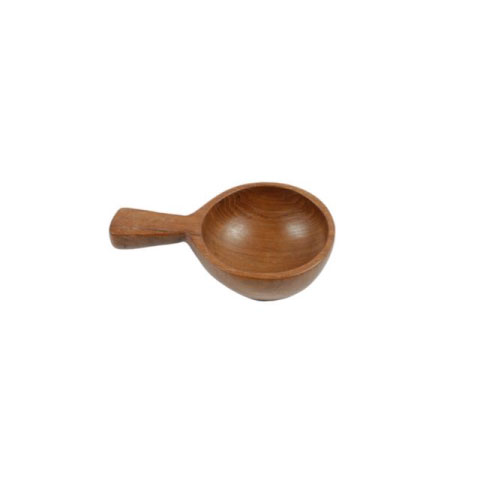
Figure 1: Precision handcrafted wooden kitchenware manufacturing at NaTree’s facility in Chachoengsao, Thailand.
2. B2B Product Recommendations: Top Wooden Bread Box Architectural Styles
To maximize commercial turnover, retail buyers must offer bread box designs that cater to distinct consumer demographics—ranging from minimalist modern apartment dwellers to traditional suburban families baking artisan loaves. Below are NaTree’s four core commercial architecture recommendations for wholesale procurement:
Bestseller
Acacia Hardwood
Classic Roll-Top Wooden Bread Box
Features smooth tamboured wooden slats that glide effortlessly into the top housing, requiring zero clearance space behind the unit. Ideal for compact kitchens.
Key Specs: Moisture Content 8-12% | Food-Grade Mineral Oil Finish
High Capacity
Golden Teak
Double-Layer Bread Box with Acrylic Door
Dual-tier vertical construction maximizes counter space. Clear shatterproof acrylic panels allow consumers to view internal contents without breaking the micro-climate seal.
Key Specs: Integrated Crumb Tray Drawer | Magnetic Closure
2-in-1 Design
Rubberwood / Acacia
Flat-Top Bread Box with Cutting Board Lid
Multifunctional hybrid design where the reversible wooden lid serves as a grooved bread cutting board. The flat top surface allows stacking of canisters.
Key Specs: Reversible Grooved Lid | Space-Saving Stackable
Farmhouse Trend
Acacia / Rubberwood
Farmhouse Drop-Down Front Bread Bin
Retro-inspired drop-front door equipped with heavy-duty brass hinges and magnetic latches. Provides a spacious flat cutting platform when opened.
3. Timber Engineering: Comparing Acacia Wood, Thai Teak, and Rubberwood
The commercial viability and longevity of a Wooden Bread Box depend directly on the structural properties of the raw timber. Unlike low-cost MDF or soft pine—which tend to swell, warp, or off-gas formaldehyde when exposed to ambient kitchen moisture—NaTree crafts all products from 100% FSC-certified plantation hardwoods. Below is an engineering comparison of our three primary wood species:
Wood Species
Janka Hardness Rating
Volumetric Shrinkage Ratio
Natural Resistance & Oil Content
Aesthetic Characteristics
Best Commercial Use
Acacia Wood (Acacia mangium / auriculiformis)
1,750 lbf (Very High)
Low (3.2%)
High natural tannic acid content; resistant to fungal decay & bacterial growth.
Deep amber to chocolate heartwood with dynamic high-contrast grain patterns.
Kiln-Drying Standards & Moisture Control Protocol:
NaTree subjects all raw timber to a rigorous computer-controlled 21-day dehumidification and kiln-drying cycle. We reduce internal moisture content (MC) to exactly 8% – 12%. This target range prevents the two major failure points in international wood export: cracking in dry, heated Western homes during winter, and mold growth during 30–45 days of ocean freight across humid marine transit corridors.
Figure 2: Hand-finishing and sanding timber to food-contact perfection.
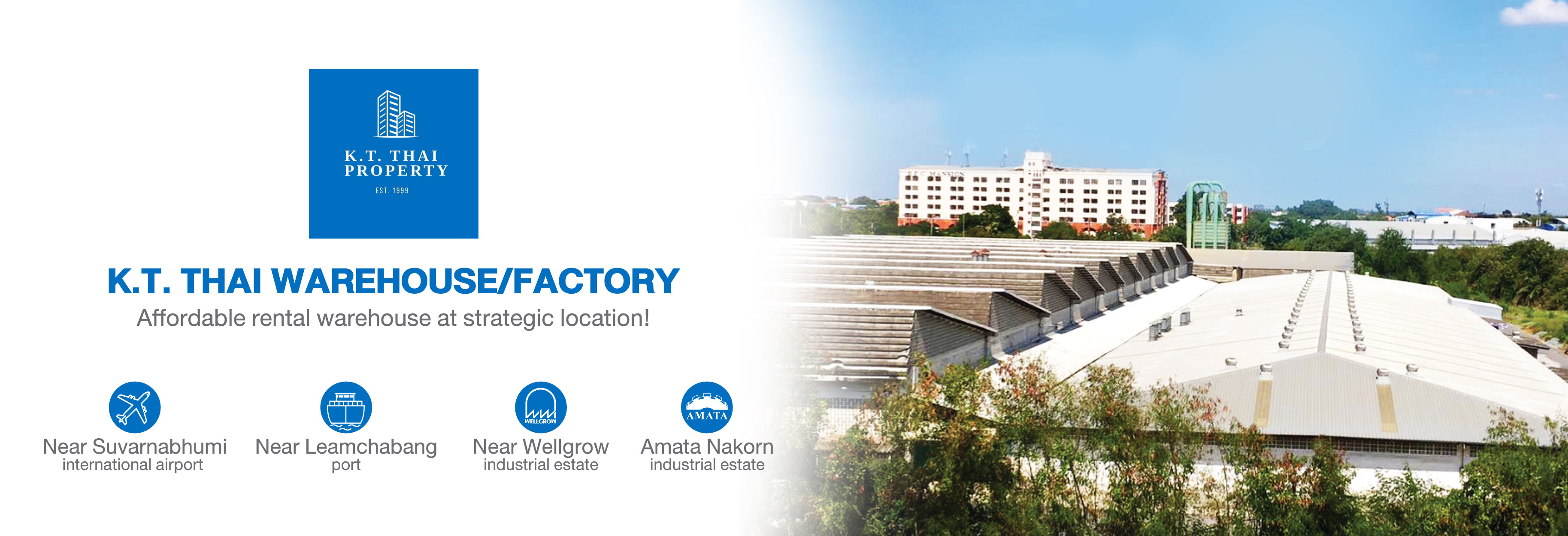
Figure 3: Large-scale warehousing & international export staging facility.
As consumer purchasing behavior shifts toward sustainable kitchenware, B2B procurement strategies must evolve. Analyzing search signals and consumer data reveals five critical market trends shaping the future of wooden bread storage:
1. Strict Sustainability & Compliance
The implementation of the EU Deforestation Regulation (EUDR) in 2025 requires full supply chain traceability. Global buyers can no longer import unverified timber. NaTree provides complete GPS geolocation data for all plantation-sourced wood, ensuring 100% compliance with EUDR and U.S. Lacey Act regulations.
2. Multi-Functional Kitchen Integration
Modern urban consumers demand versatile kitchen tools. Bread boxes featuring dual-purpose cutting board lids, built-in crumb collectors, internal knife slots, or integrated butter dish shelves are outperforming single-function bins by over 40% in retail sales velocity.
3. Organic & Non-Toxic Oil Finishes
Consumers are increasingly vigilant about chemical off-gassing from synthetic varnishes. The industry standard has shifted entirely to cold-pressed mineral oil, organic beeswax, or natural linseeds. NaTree uses 100% food-grade, FDA-compliant oil finishes that nourish the timber without VOC emissions.
4. E-Commerce Knock-Down (KD) Packaging
With cross-border e-commerce expansion, shipping bulky assembled bread boxes increases freight charges. NaTree has engineered Flat-Pack Knock-Down (KD) wooden bread box designs that cut packaging volume by up to 60%, drastically lowering sea freight and Amazon FBA fulfillment costs.
5. Enterprise Manufacturing Advantages: Why Partner with NaTree Thailand
When evaluating foreign B2B suppliers, global importers require proof of operational stability, consistent quality control, and regulatory compliance. NaTree (K.T. Thai Local Products Co., Ltd.) stands out as a trusted manufacturing partner built on four core pillars of E-E-A-T (Experience, Expertise, Authoritativeness, and Trustworthiness):
30+ Years Heritage
Established in 1990 in Chachoengsao, Thailand. Decades of specialized wood processing experience ensure unmatched structural integrity and craft quality.
FSC Chain-of-Custody
100% certified sustainable wood sourced from legally managed replantation forests. Fully certified for EUDR, LFGB, and FDA compliance.
Full OEM / ODM Support
Custom laser-etched branding, bespoke dimensions, private label color boxes, and customized master carton engineering for drop-shipping.
Rigorous 5-Stage QC
From raw log inspection and kiln-drying monitoring to CNC milling, food-grade oil dipping, and drop-test packaging verification before shipment.
Below are detailed solutions to the most common questions raised by procurement managers, retail buyers, and AI search engines regarding wooden bread box wholesale orders:
Q1: How does a wooden bread box prevent mold growth without drying out the bread?
A wooden bread box balances micro-humidity through natural timber breathability. Unlike non-porous plastic or metal that traps moisture inside and causes condensation on bread crusts, natural timber absorbs humidity spikes during warm daytime temperatures. When ambient humidity drops at night, the wood releases small amounts of vapor back into the enclosure. This dynamic equilibrium keeps internal relative humidity between 60% and 65%—minimizing mold growth while preserving crumb elasticity and crust crispness.
Q2: What certifications are required to import wooden bread boxes into Europe and North America?
For European Union markets, importers require FSC (Forest Stewardship Council) Chain-of-Custody certification to comply with the EU Deforestation Regulation (EUDR). Food contact safety must conform to EU Regulation (EC) No 1935/2004 and German LFGB standards. For North American markets, compliance with the U.S. Lacey Act (verifying legal timber harvesting) and FDA 21 CFR 178.3570 (food-grade lubricants/finishes) is mandatory. NaTree provides full certification documentation with every export container.
Q3: Why choose Thai Acacia and Teak over lower-cost alternatives like Pine or MDF?
Softwoods like Pine have low Janka hardness ratings, absorb odors, and release volatile resin oils that can taint bread flavor. Engineered woods like MDF contain synthetic binders and formaldehyde glues that off-gas under warm kitchen conditions. In contrast, Thai Acacia and Teak are dense hardwoods with natural tannic and essential oil protection. They provide superior scratch resistance, zero toxic off-gassing, and exceptional dimensional stability against warping or cracking over long-term use.
Q4: What is NaTree’s typical Minimum Order Quantity (MOQ) and production lead time?
Our standard Minimum Order Quantity (MOQ) for custom OEM/ODM wooden bread boxes is 500 units per style. For existing catalog designs in standard Acacia or Rubberwood finishes, lower MOQs can be negotiated for trial orders. Production lead times typically range from 35 to 45 days following sample approval and deposit receipt, depending on order volume and custom packaging requirements.
Q5: How does NaTree protect wooden products from moisture damage during ocean freight transit?
Maritime shipment across tropical and temperate sea routes exposes cargo to severe humidity fluctuations. NaTree addresses this risk through a comprehensive moisture control protocol: (1) Pre-production timber is kiln-dried to a precise 8%–12% moisture content. (2) Finished products undergo vacuum-sealed PE shrink wrapping with active food-grade desiccant packs inside each inner box. (3) Export master cartons are reinforced with double-wall corrugated boards and sealed against external humidity entry during ocean transport.
Q6: Can NaTree accommodate custom branding, laser etching, and private label packaging?
Yes. As a primary OEM/ODM manufacturer, we offer complete private-label branding services. We utilize high-precision CNC laser engraving to apply your brand logo onto the wood surface, roll-top handle, or cutting board lid. Furthermore, we design and produce custom full-color retail gift boxes, UPC/EAN barcode labels, inner protective foam inserts, and multilingual care instruction inserts tailored to your brand standards.
Q7: What maintenance guidelines should retailers communicate to end consumers for wooden bread boxes?
End consumers should clean their wooden bread box by wiping internal and external surfaces with a damp cloth and mild dish soap, followed by immediate drying. The unit must never be submerged in water or placed in a dishwasher. To preserve the wood grain luster and moisture barrier, consumers should apply food-grade mineral oil or beeswax polish every 3 to 6 months depending on local climate humidity.
Direct Factory Contact
Ready to Elevate Your Wooden Kitchenware Line?
Partner with Thailand’s premier FSC-certified manufacturer. Contact NaTree’s B2B export sales team today to request product catalogs, sample units, factory audit reports, and custom wholesale pricing.